

28 Traditional French Foods to Try Across France
Last Updated on September 26, 2026 by April Nicole
Traditional French foods is deeply connected to the country’s regions, ingredients, and culinary traditions. From buttery croissants in Paris to cassoulet in southwestern France and bouillabaisse in Marseille, many of France’s best-known dishes tell the story of the place where they became popular.
In this guide, I’m sharing 28 traditional French foods to look for during your travels, including regional specialties, breads, cheeses, main dishes, and desserts. You’ll learn what each dish contains, where it comes from, and where in France you are most likely to find an authentic version.
5 Traditional French Foods to Try First
Visiting France for the first time? Start with these five classics, from freshly baked bread to comforting regional dishes.
| Dish | Associated place | Why try it |
|---|---|---|
| Baguette tradition | Across France | Crisp crust and airy center |
| Croissant | France, with Austrian roots | Buttery, light, and flaky |
| Boeuf bourguignon | Burgundy | Beef slowly braised in red wine |
| Escargots à la bourguignonne | Burgundy | Snails with garlic-parsley butter |
| Crêpes Suzette | Origin disputed | Crêpes in a buttery orange sauce |
Traditional French Breads and Pastries
1. Baguette Tradition
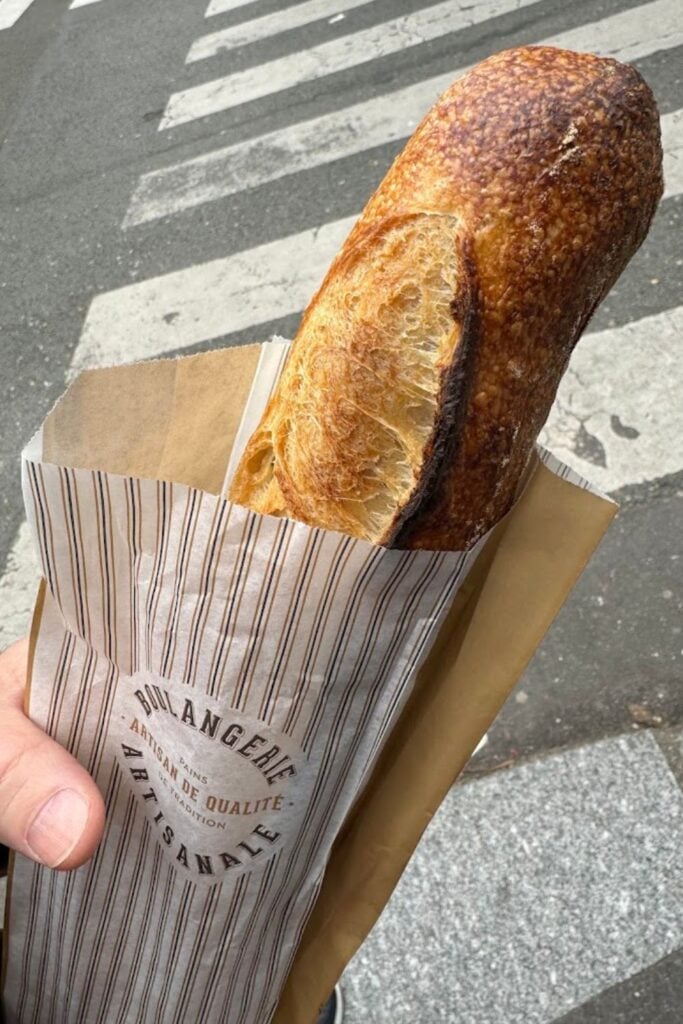
Few foods are as closely associated with France as the baguette. A good baguette tradition has a crisp, deeply golden crust and a light, airy interior. It is best enjoyed fresh from the bakery, whether you pair it with butter and jam at breakfast, serve it with cheese, or simply tear off a piece while walking through the city.
Not every French baguette follows the same recipe. The name pain de tradition française is legally regulated and cannot contain preservatives or undergo freezing during production. It is made primarily with wheat flour, water, salt, and yeast or sourdough starter, although small amounts of certain approved flours and malt may also be used.
Ordering tip: Ask for une tradition, s’il vous plaît if you prefer a baguette with a crispier crust, airier center, and more developed flavor.
Where to try one in Paris: Fournil Didot, located at 103 Rue Didot in the 14th arrondissement, won the 2026 Grand Prix de la Baguette de Tradition Française de la Ville de Paris. Because the winner changes annually, check the City of Paris competition results before your trip.
2. Croissant
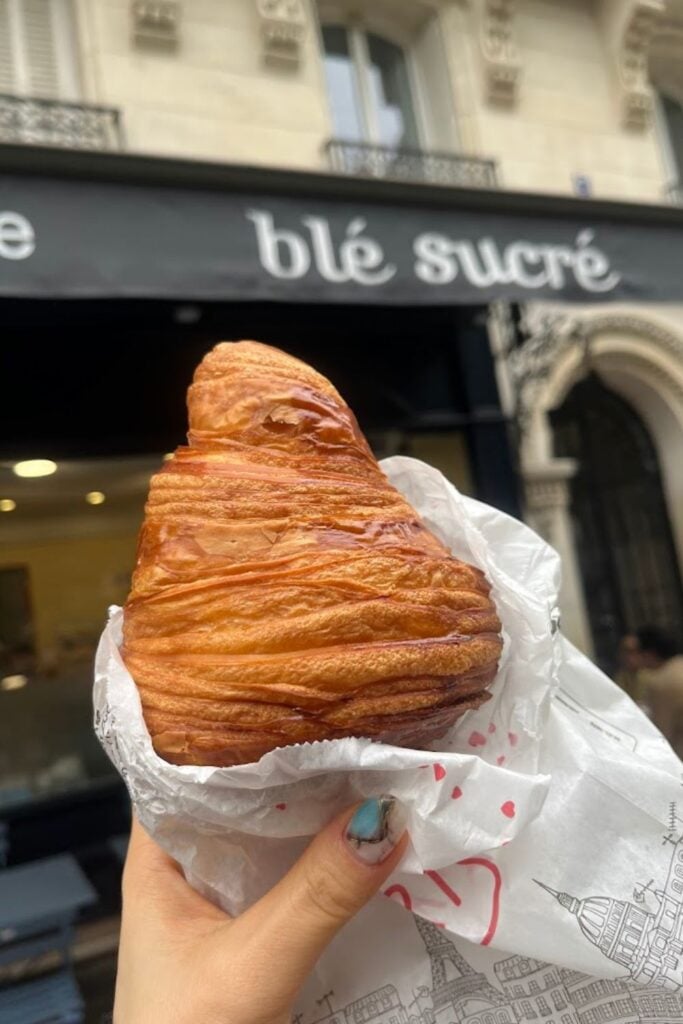
A well-made croissant should have a crisp, golden exterior and a light interior with clearly defined layers. The dough is repeatedly folded with butter through a process called lamination, which creates the flaky texture that makes this pastry so recognizable.
Although the croissant is closely associated with France, its history has Austrian roots. It was inspired by the crescent-shaped kipferl, which had existed in Austria for centuries. French bakers later adapted the idea using laminated yeast dough, creating the buttery croissant found in French bakeries today.
What to look for: A fresh croissant should feel light rather than heavy, with a crisp outer shell, visible layers, and a soft, airy center. It should taste buttery without feeling greasy.
Where I recommend: Blé Sucré in Paris’s 12th arrondissement is known for beautifully layered croissants with a crisp, caramelized exterior. Check its current opening hours before visiting because independent bakeries may close on particular weekdays or during annual holidays.
3. Pain au Chocolat
Pain au chocolat is a classic French viennoiserie made from laminated yeast dough wrapped around one or two bars of chocolate. It has the same light, buttery layers as a croissant, but its rectangular shape and chocolate center make it a richer choice for breakfast or an afternoon snack.
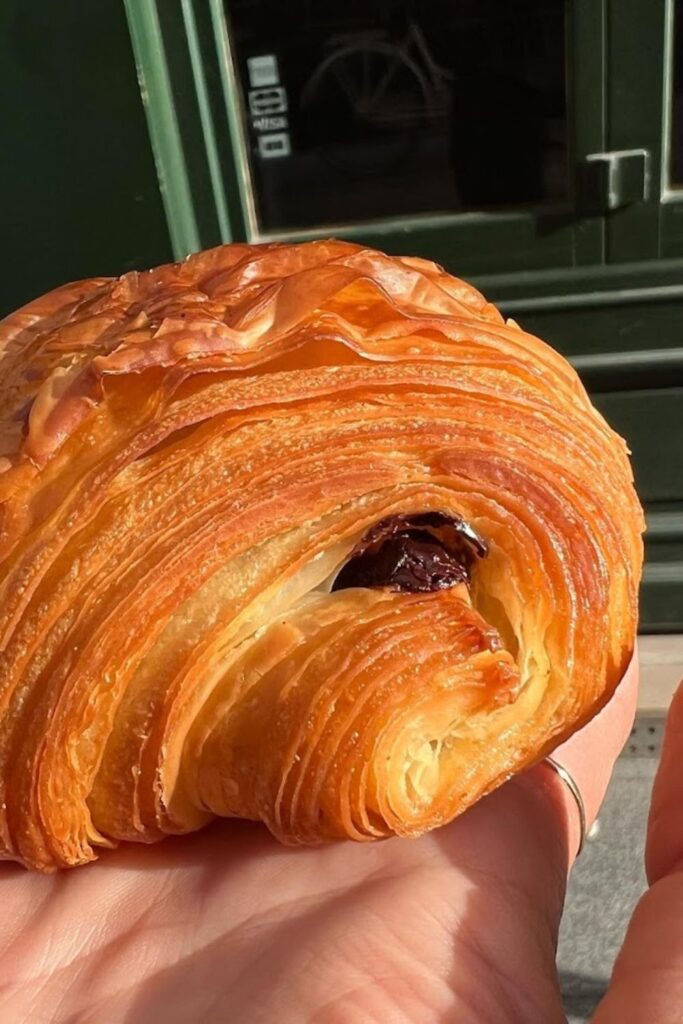
In most of France, it is called pain au chocolat. In Toulouse and parts of southwestern France, you will often hear it called chocolatine. The regional naming debate is mostly playful, and both terms describe essentially the same pastry.
Ordering tip: Ask for un pain au chocolat, s’il vous plaît. In Toulouse and the surrounding region, you can say une chocolatine, s’il vous plaît.
Where to try one: Maison Beauhaire has locations inside Toulouse’s Marché Victor Hugo and Marché des Carmes. Its baker Dimitri Bordon won the French chocolatine championship in 2020, so the award should always be mentioned with its year rather than presented as a current annual title. The bakery was still operating in Toulouse when checked in September 2026.
4. Kouign-Amann
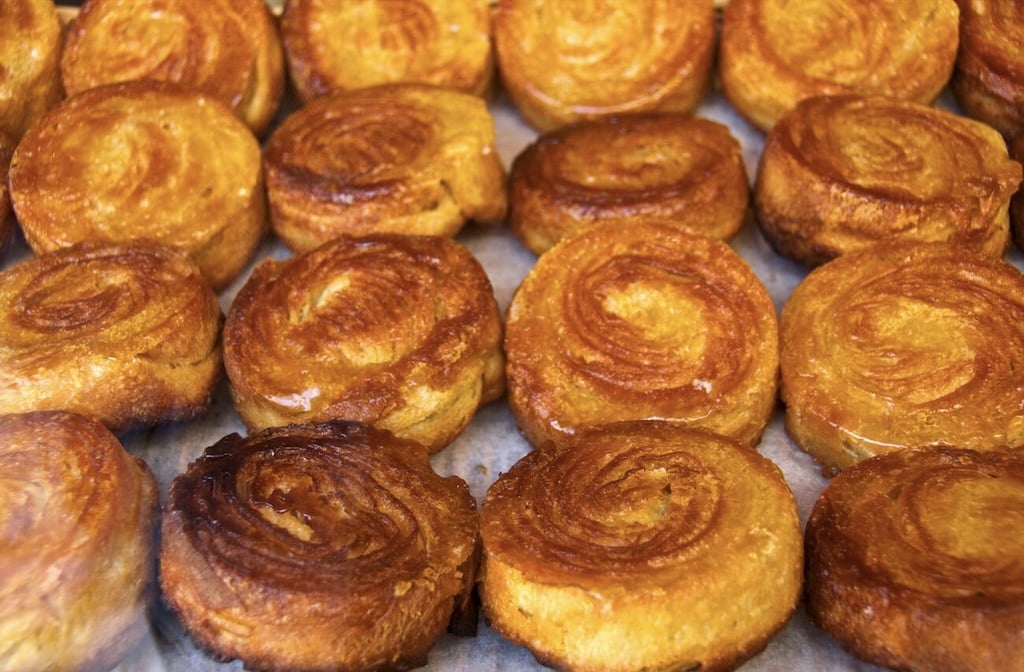
Kouign-amann is a rich Breton pastry made by folding salted butter and sugar into yeasted dough. As it bakes, the butter creates flaky layers while the sugar caramelizes around the edges, producing a crisp exterior and a soft, buttery center.
The pastry originated in Douarnenez, a coastal town in Brittany’s Finistère department. Its name comes from the Breton words kouign, meaning cake, and amann, meaning butter. Although individual versions are now common, traditional kouign-amann is often baked as one large round cake and cut into slices.
What to look for: The outside should be deeply golden and caramelized, while the center should remain tender and layered. Kouign-amann is very rich, so sharing a larger one is a good option.
Where to try it: For the strongest connection to the pastry’s origins, visit a bakery belonging to the Association du Véritable Kouign-Amann de Douarnenez. Brittany Tourism specifically recommends Boulangerie Pascal Jain in Douarnenez-Tréboul, whose baker serves as president of the association.
5. French Onion Soup
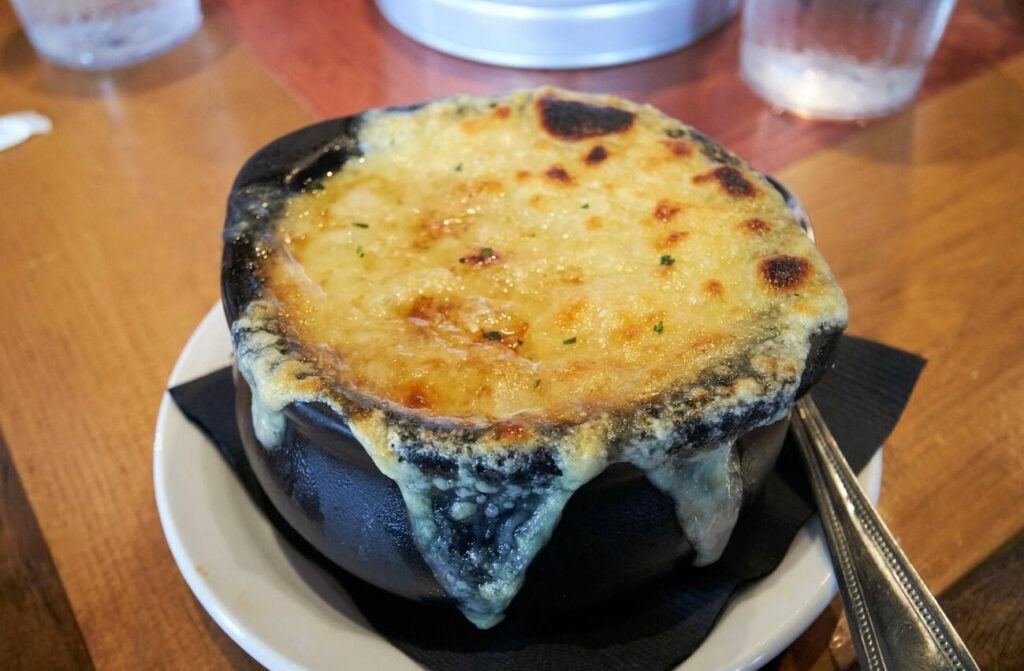
French onion soup, or soupe à l’oignon gratinée, is made with caramelized onions and savory broth, then topped with toasted bread and melted cheese. The gratinéed version served today is especially associated with Paris and the former Les Halles food market, where it became a popular meal for market workers and late-night diners.
I first tried it on a cold evening in Paris, and the combination of sweet onions, rich broth, toasted bread, and bubbling cheese was pure comfort.
Where to try it: Au Pied de Cochon, near Les Halles, currently serves its well-known Soupe à l’oignon gratinée des Halles. Keep in mind that the broth may contain beef or chicken stock, even when the soup appears vegetarian.
6. Boeuf Bourguignon
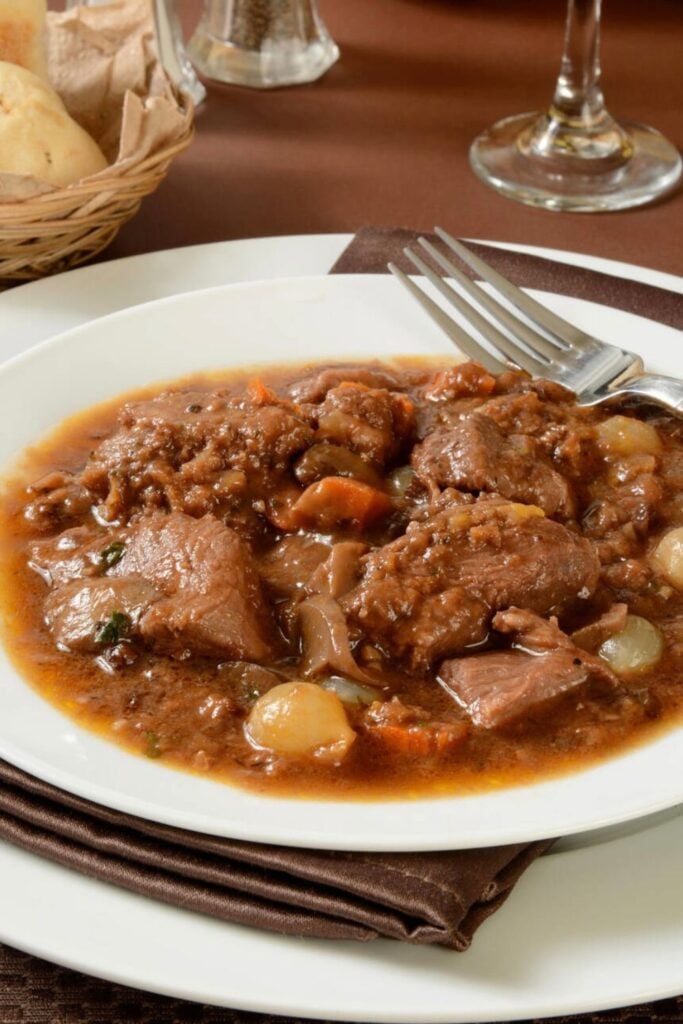
Boeuf bourguignon is a traditional Burgundy dish made by slowly braising beef in red wine with onions, carrots, herbs, and often mushrooms or bacon. The long cooking time produces tender beef and a rich sauce, making it one of France’s best-known comfort foods.
When I tried boeuf bourguignon in Dijon, the hearty stew paired beautifully with a glass of Burgundy wine.
Where to try it: Chez Léon in central Dijon currently serves Boeuf Bourguignon façon Léon as part of its evening Burgundy menu. Check the current menu and opening hours before visiting.
7. Cassoulet
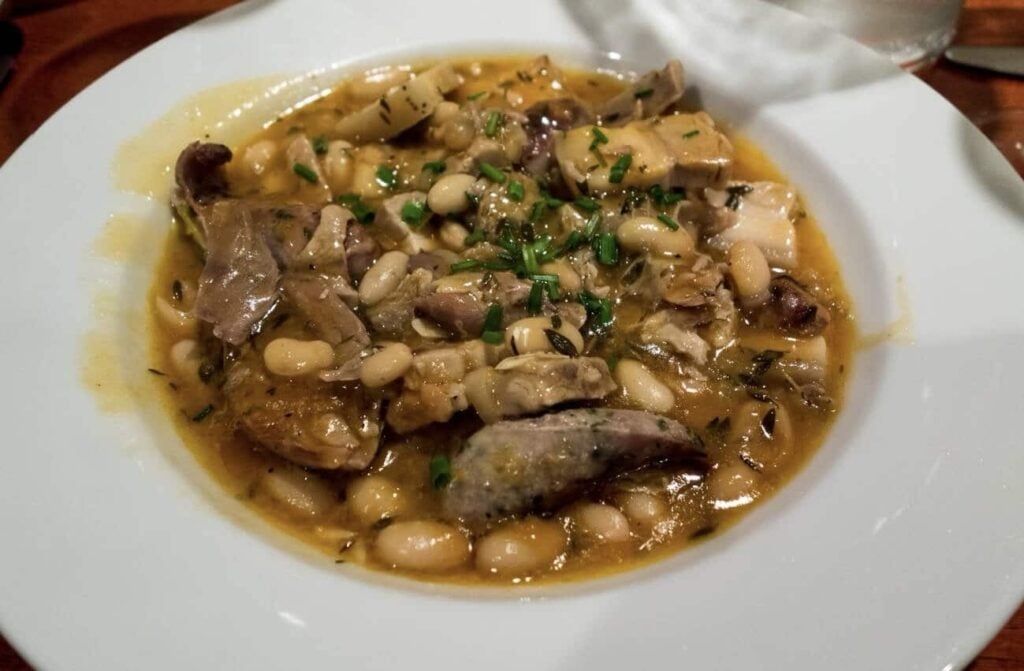
Cassoulet is a slow-cooked dish from southwestern France made with white beans and a combination of meats such as pork, sausage, duck, or goose confit. The exact ingredients vary depending on where it is prepared.
Castelnaudary is widely considered the capital of cassoulet, although Toulouse and Carcassonne have their own celebrated versions. Castelnaudary’s version commonly includes duck confit, pork, and Toulouse sausage, while recipes in the other cities may use different meats. Castelnaudary Tourist Office
I first tried cassoulet in Toulouse, and it was one of the richest and most filling meals of my trip.
Where to try it: Le Colombier in Toulouse currently serves its house-made cassoulet with white beans from the Castelnaudary area, goose confit, Toulouse sausage, pork, and rind sausage. The restaurant’s cassoulet is confirmed on its current official menu.
8. Duck Confit
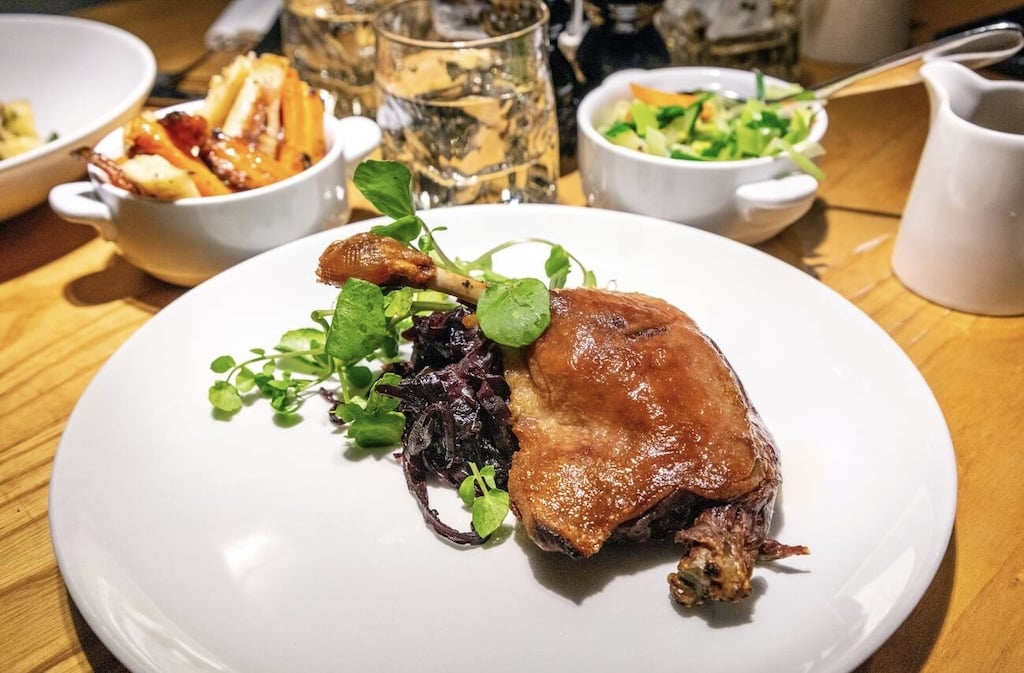
Duck confit, or confit de canard, is made by seasoning duck legs and cooking them slowly in duck fat until the meat becomes tender. The legs are often crisped before serving and paired with potatoes, especially pommes sarladaises cooked with duck fat, garlic, and parsley.
This preservation method is closely associated with Gascony and southwestern France. Duck confit remains especially common in the Dordogne Valley, where duck dishes are an important part of the regional cuisine.
Where to try it: Auberge Lembert in Beynac-et-Cazenac serves confit made by its family-run artisanal producer, Maison Lembert. Its menu changes seasonally, so confirm availability when reserving.
9. Tartiflette
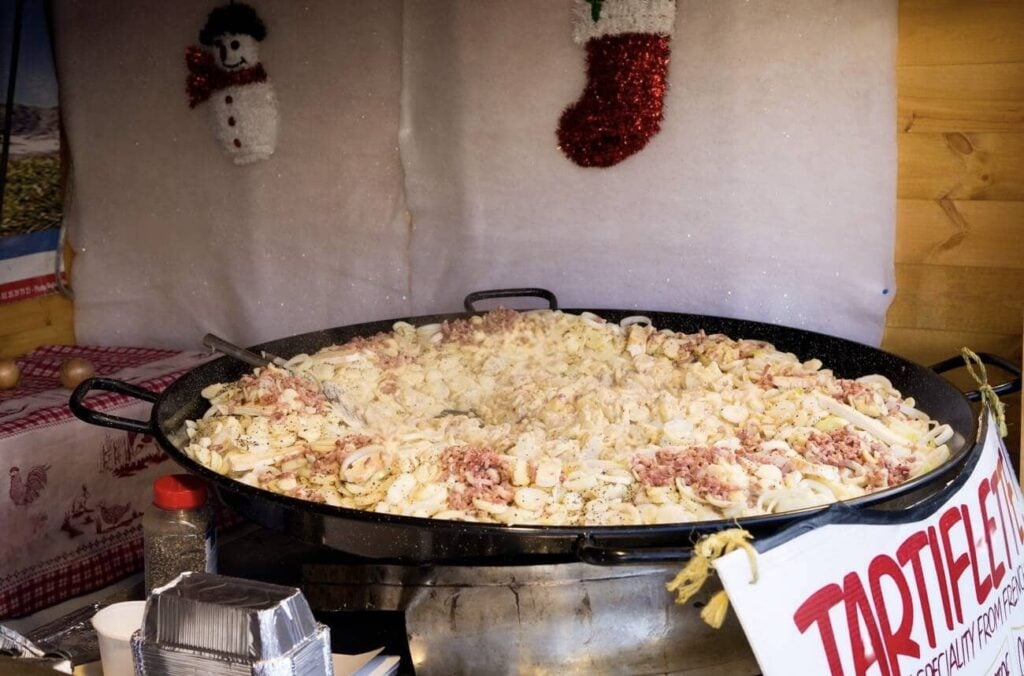
Tartiflette is a hearty Alpine dish made with potatoes, onions, lardons, and melted Reblochon cheese. It is especially popular in ski resorts throughout Savoie and Haute-Savoie, where it is commonly served as a warming winter meal.
Despite its rustic appearance, modern tartiflette is relatively recent. It became popular during the 1980s and was inspired by an older Savoyard potato-and-cheese dish called péla. Claims that a Reblochon producers’ organization invented it as a marketing campaign remain disputed, so the article should not present that story as settled fact.
Where to try it: La Calèche in central Chamonix currently serves tartiflette made with farmhouse Reblochon from the Aravis. It also offers a vegetarian version with Reblochon and porcini mushrooms.
10. Quiche Lorraine
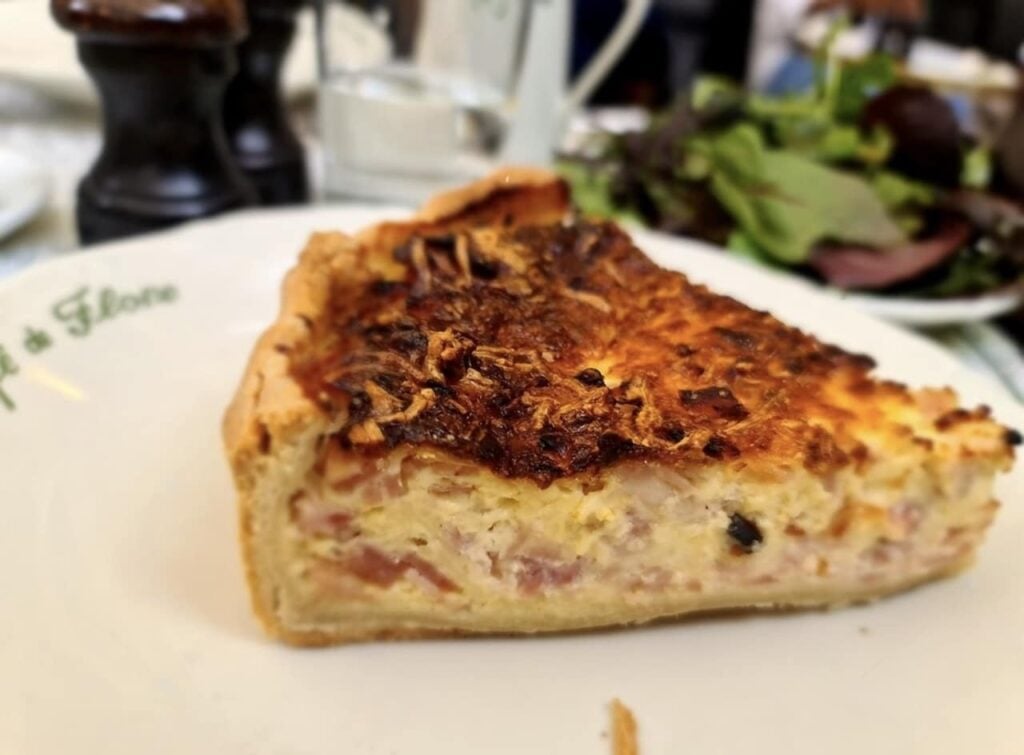
Quiche Lorraine is a savory tart from northeastern France with a pastry crust and a creamy filling made from eggs, cream, and smoked bacon or lardons. Traditional quiche Lorraine does not contain cheese, although modern versions often add Gruyère or Emmental.
In France, quiche is more commonly eaten for lunch or a light dinner than for breakfast. It may be served warm or at room temperature, often with a simple green salad.
Where to try it: At Metz’s Covered Market, Chez Mauricette serves regional Grand Est dishes, including quiche, in its market restaurant. The market is open year-round, but confirm the stall’s current hours and daily availability before visiting.
Famous French Cheeses
11. Camembert de Normandie
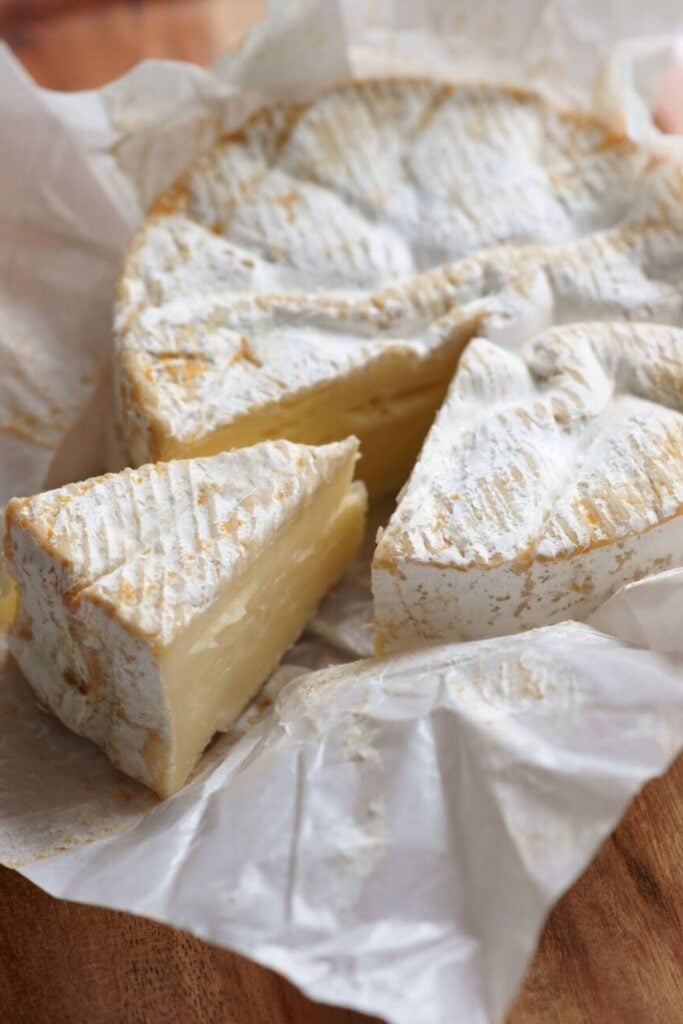
Camembert de Normandie is a soft cow’s milk cheese with a bloomy white rind and a creamy interior. Its flavor begins mild and milky, then becomes stronger, earthier, and fruitier as the cheese matures.
The protected name Camembert de Normandie AOP applies only to cheese produced in the designated area of Normandy using raw milk and traditional production methods. Cheese labeled simply “camembert” may be produced elsewhere and does not have to follow the same requirements. Look for the red and yellow AOP logo on the package.
Where to try it: Maison du Camembert in the village of Camembert offers a museum visit and comparative cheese tasting. It operates seasonally, so check its opening dates before visiting.
12. Roquefort
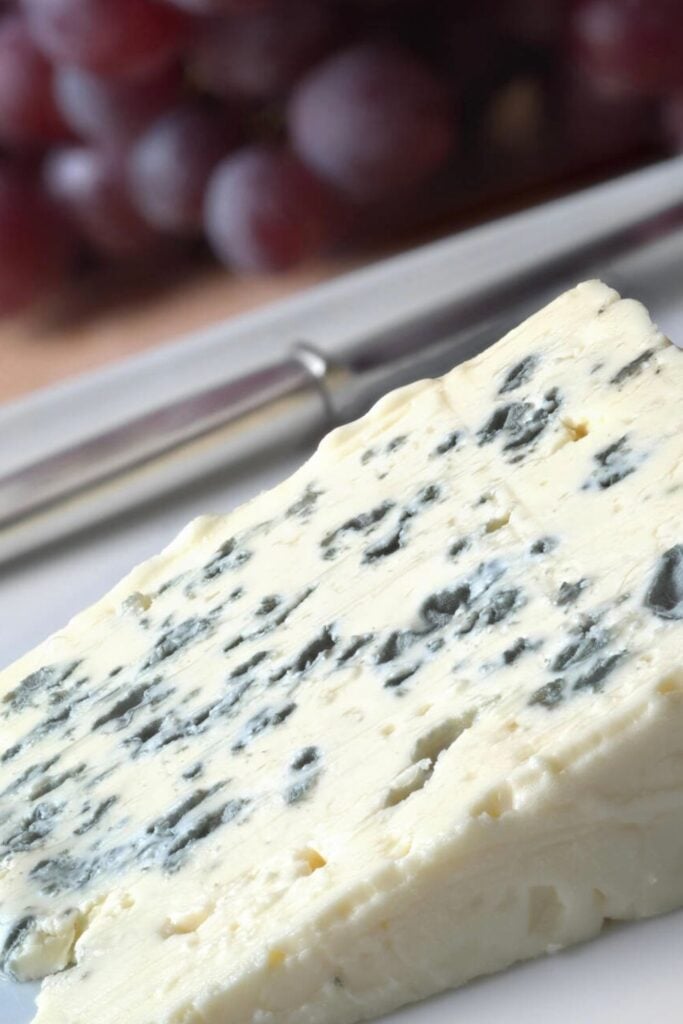
Roquefort is a bold blue cheese made from raw, whole milk produced by Lacaune sheep. It has a creamy texture with blue-green veins and a strong, salty, slightly tangy flavor.
To carry the protected Roquefort AOP name, the cheese must be matured for at least 90 days, including time inside the designated caves of Roquefort-sur-Soulzon. Its blue veining comes from cultures of Penicillium roqueforti.
According to a popular legend, Roquefort was discovered after a shepherd left bread and sheep’s milk cheese inside a cave and returned to find blue mold growing through it. It is a memorable story, but it should be treated as folklore rather than confirmed history.
Where to try it: Several producers offer cave tours in Roquefort-sur-Soulzon. The Roquefort Société tour includes access to active maturing caves and a tasting. Tours are seasonal, and the caves stay cool, so reserve ahead and bring a light jacket.
13. Comté
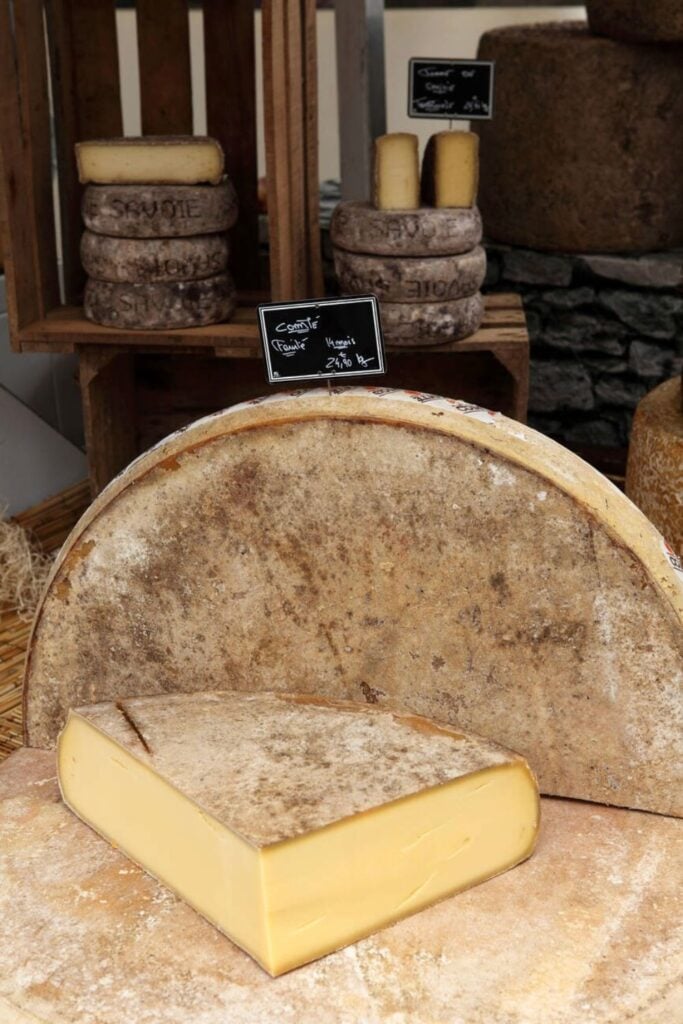
Comté is a raw cow’s milk cheese produced in the Jura Mountains of eastern France. It has a firm texture and a flavor that can range from mild and buttery to nutty, fruity, and deeply savory, depending on its age and production season.
Comté AOP must mature for at least four months, but many wheels are aged for 12, 18, or 24 months, and some mature even longer. There is no standard 36-month maximum. Each wheel can taste different depending on the milk, season, village dairy, and aging cellar.
Where to try it: The Fort Saint-Antoine aging cellars, operated by Fromageries Marcel Petite, offer guided visits among thousands of maturing Comté wheels. Reservations are required, so check the current schedule before traveling.
French Salads and Vegetable Dishes
14. Ratatouille
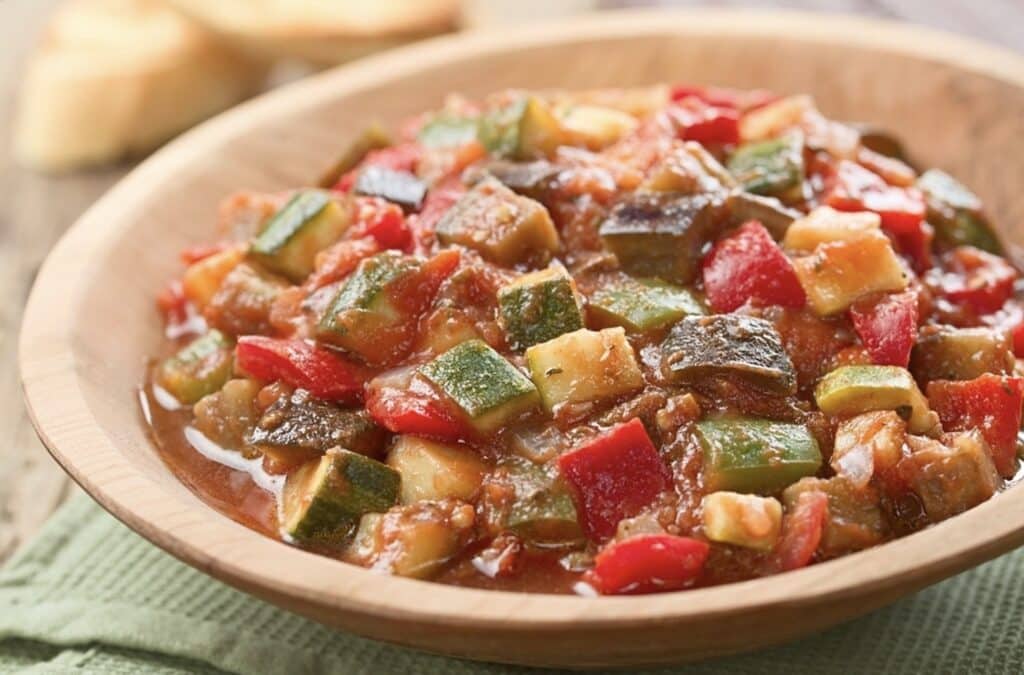
Ratatouille is a traditional Niçoise vegetable dish made with tomatoes, eggplant, zucchini, peppers, onions, garlic, olive oil, and herbs. Depending on the recipe, the vegetables may be cooked together or prepared separately before being combined.
Although the Pixar film made ratatouille famous around the world, the carefully layered version shown in the movie is closer to confit byaldi. Traditional ratatouille is usually a more rustic vegetable preparation associated with Nice and Provence.
Where to try it: La Rossettisserie in Old Nice currently offers fresh ratatouille as a side with its roasted meats and in a starter with lentils and a poached egg.
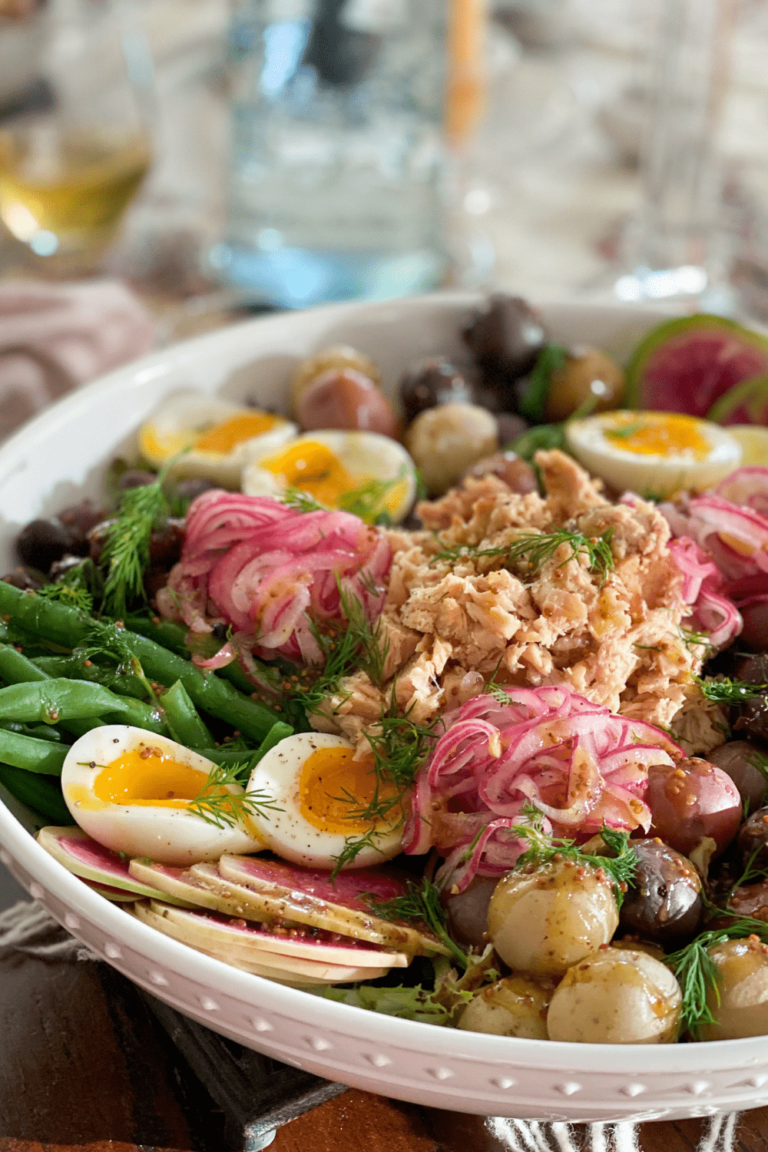
15. Salade Niçoise
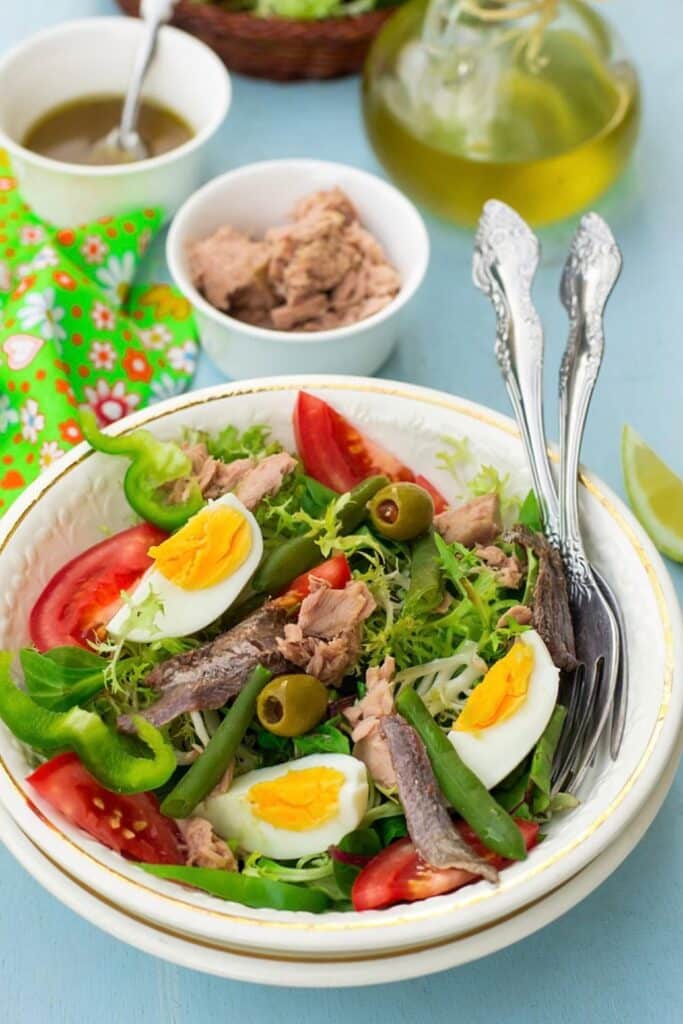
Salade Niçoise is a traditional specialty from Nice made primarily with raw Mediterranean vegetables. The official Cuisine Nissarde recipe includes tomatoes, mesclun, spring onions, celery, small purple artichokes, green peppers, radishes, fava beans when in season, hard-boiled eggs, tuna, anchovies, black Nice olives, basil, garlic, and olive oil.
Traditional Salade Niçoise does not contain cooked green beans or potatoes, although those ingredients are common in international versions. It is usually dressed simply with olive oil rather than a heavy vinaigrette.
Where to try it: Look for a restaurant carrying the official Cuisine Nissarde label, which recognizes establishments that follow traditional Niçoise recipes. Lou Balico in Nice currently offers a labeled Salade Niçoise and specializes in regional cuisine.
French Seafood and Meat Specialties
16. Escargots à la Bourguignonne
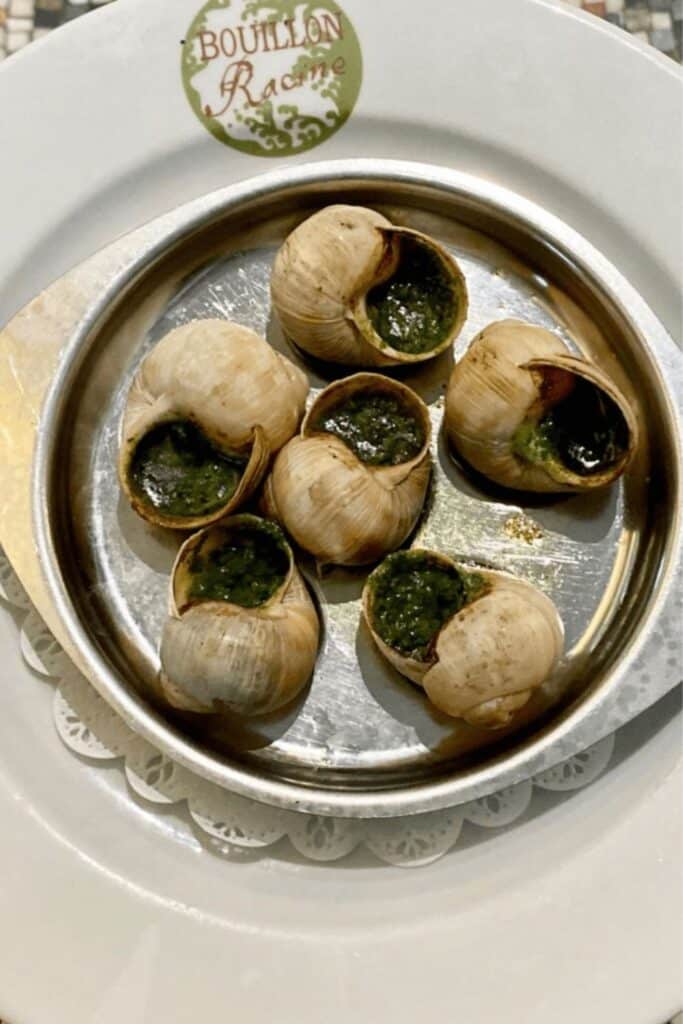
Escargots à la bourguignonne are snails cooked in their shells with butter, garlic, and parsley. They are usually served piping hot with bread for soaking up the herb butter.
The term à la bourguignonne refers to the Burgundy-style preparation. It does not automatically guarantee that the snails were raised or collected in Burgundy. The traditional species, Helix pomatia, is protected in France, and its collection is restricted during the breeding season. Burgundy, France
I first tried escargots in Dijon. I was nervous at first, but the tender texture and garlic-parsley butter made them much more approachable than I expected.
Where to try them: Chez Léon in Dijon currently serves escargots with parsley butter as part of its evening Burgundy menu.
17. Steak Frites
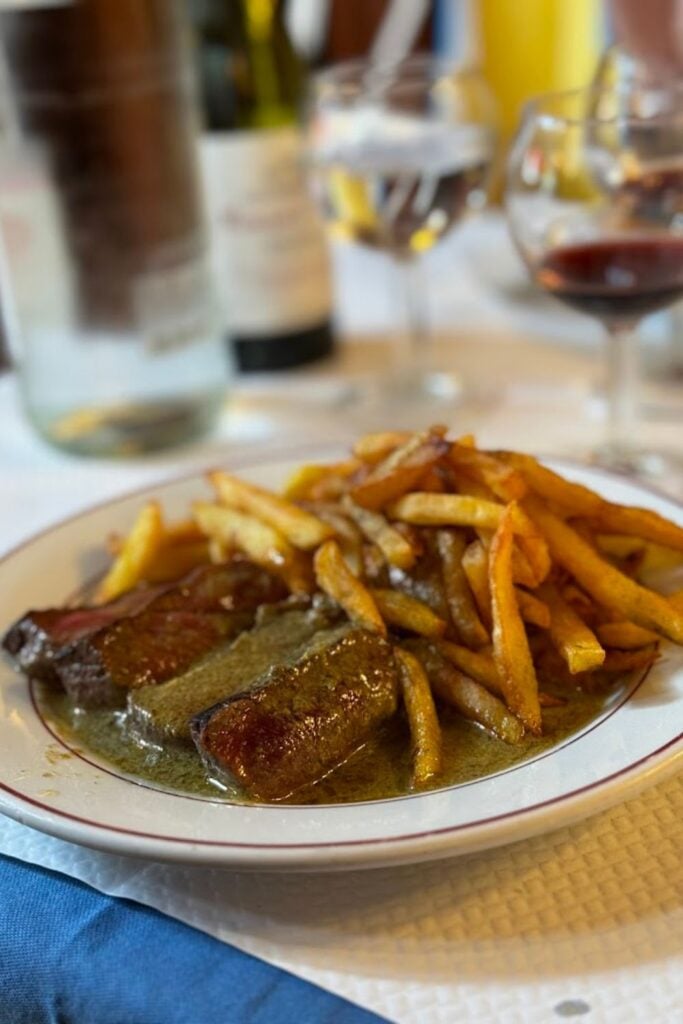
Steak frites is a classic French bistro dish consisting of steak served with crisp French fries. The cut of beef, sauce, and style of fries vary by restaurant, with common sauces including peppercorn, béarnaise, and herb butter.
My favorite steak frites in Paris was at Le Relais de l’Entrecôte, where the steak is served with thin fries and the restaurant’s signature sauce.
Ordering tip: French servers may ask how you want your steak cooked. Saignant means rare, à point generally means medium, and bien cuit means well done.
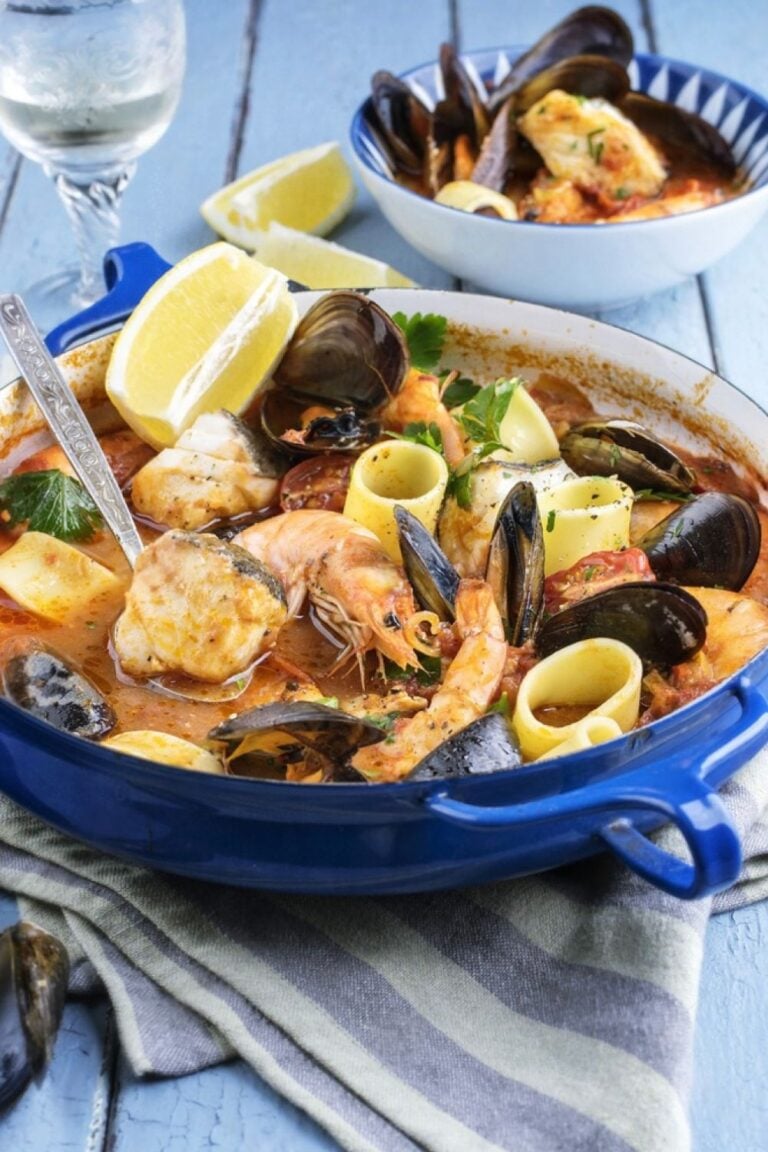
18. Bouillabaisse
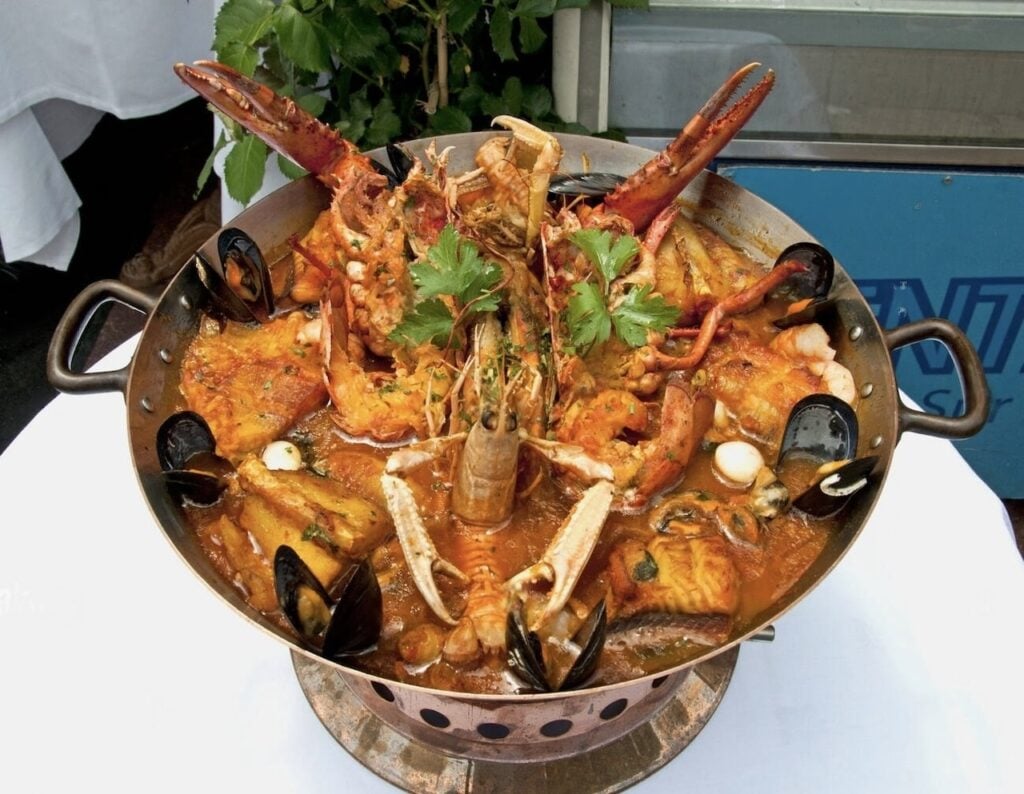
Bouillabaisse is Marseille’s famous fish dish, prepared with a saffron-scented broth, Mediterranean fish, potatoes, and Provençal seasonings. It is traditionally served with toasted bread and rouille, a garlicky sauce flavored with saffron and chili.
Under Marseille’s Bouillabaisse Charter, the dish should contain at least four approved Mediterranean fish species. The broth and fish may be served separately, allowing diners to enjoy the broth first before eating the fish and potatoes. Shellfish can appear in some modern variations, but mussels and prawns are not required ingredients.
Where to try it: Chez Fonfon, overlooking the Vallon des Auffes in Marseille, specializes in bouillabaisse made with at least four kinds of Mediterranean fish. Reserve ahead and confirm the current price and ordering requirements when booking.
French Desserts and Sweet Treats
19. Crêpes Suzette
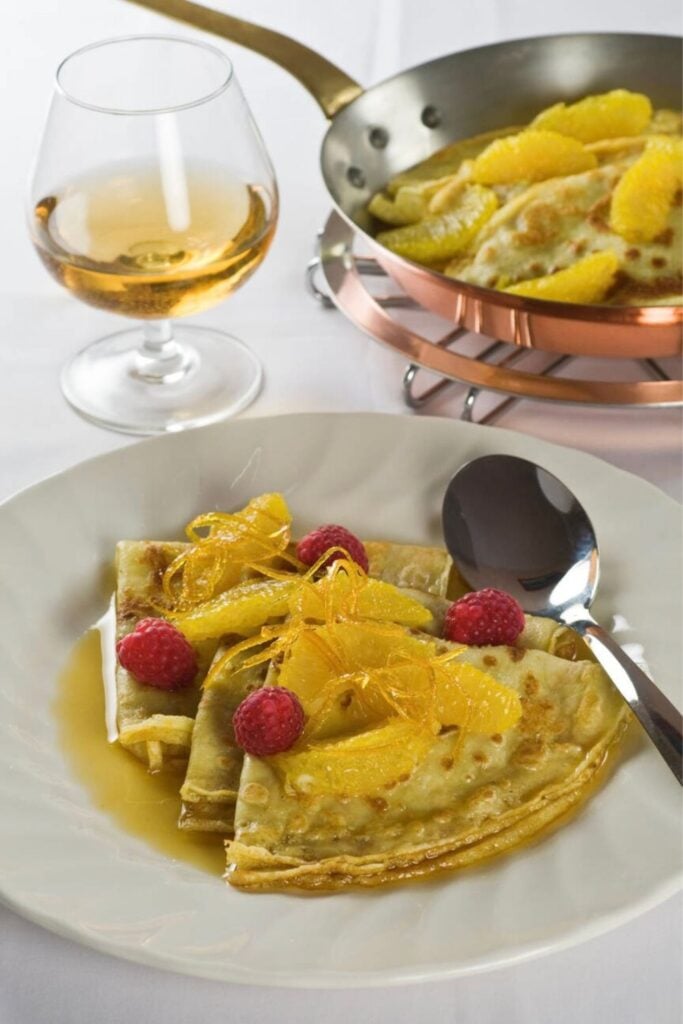
Crêpes Suzette are thin crêpes served with a warm sauce made from butter, sugar, orange or mandarin juice, citrus zest, and orange liqueur. Many restaurants flambé the dessert tableside, although flambéing was not required in early versions of the recipe.
The dessert’s exact origin is disputed. The best-known story connects it to Henri Charpentier, the Prince of Wales, and the Café de Paris in Monte Carlo during the 1890s, but this account has never been conclusively proven.
Where to try it: Café de Paris Monte-Carlo currently serves its signature Crêpes Suzette flambéed tableside. Although Monaco is not part of France, it is closely connected to the dessert’s most famous origin story and is an easy day trip from Nice.
20. Macarons
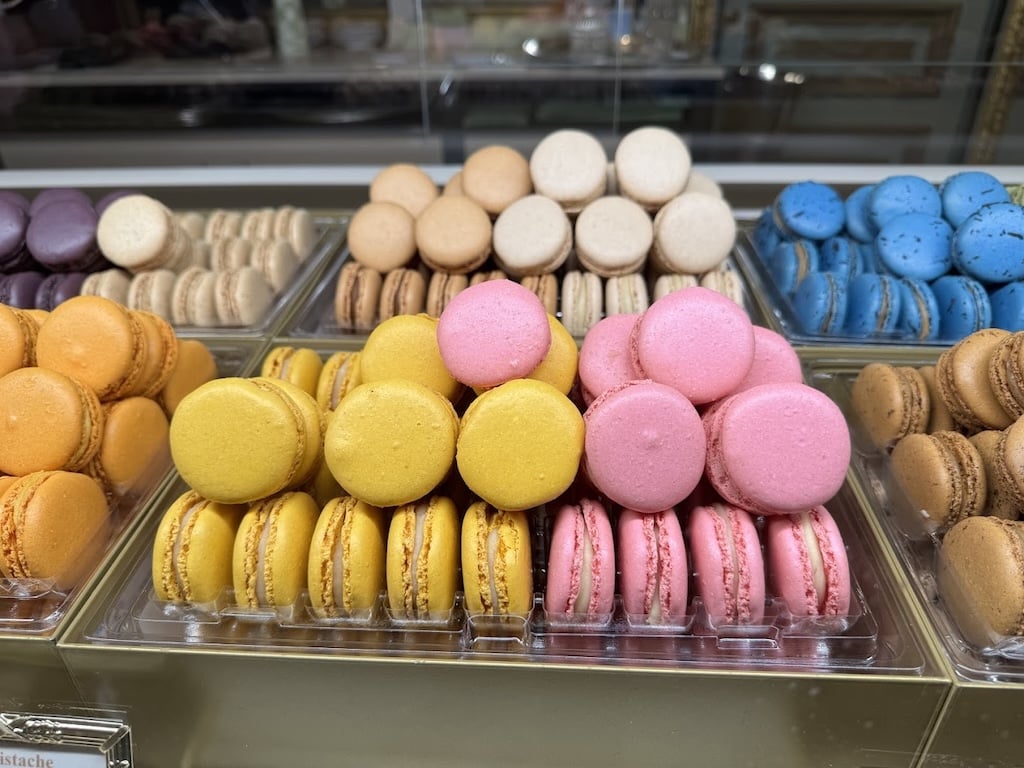
Parisian-style macarons are delicate sandwich cookies made with two almond-meringue shells and a filling such as ganache, buttercream, caramel, or fruit preserves. A well-made macaron should have a thin outer shell, a soft and slightly chewy center, and a filling that complements rather than overwhelms the flavor.
The first time I tried Pierre Hermé macarons in Paris, I understood why people rave about them. They were light, flavorful, and perfectly balanced.
Where to try them: Visit Pierre Hermé Paris for creative flavor combinations or Ladurée for a classic Parisian pâtisserie experience. Both currently operate boutiques in Paris.
21. Crème Brûlée
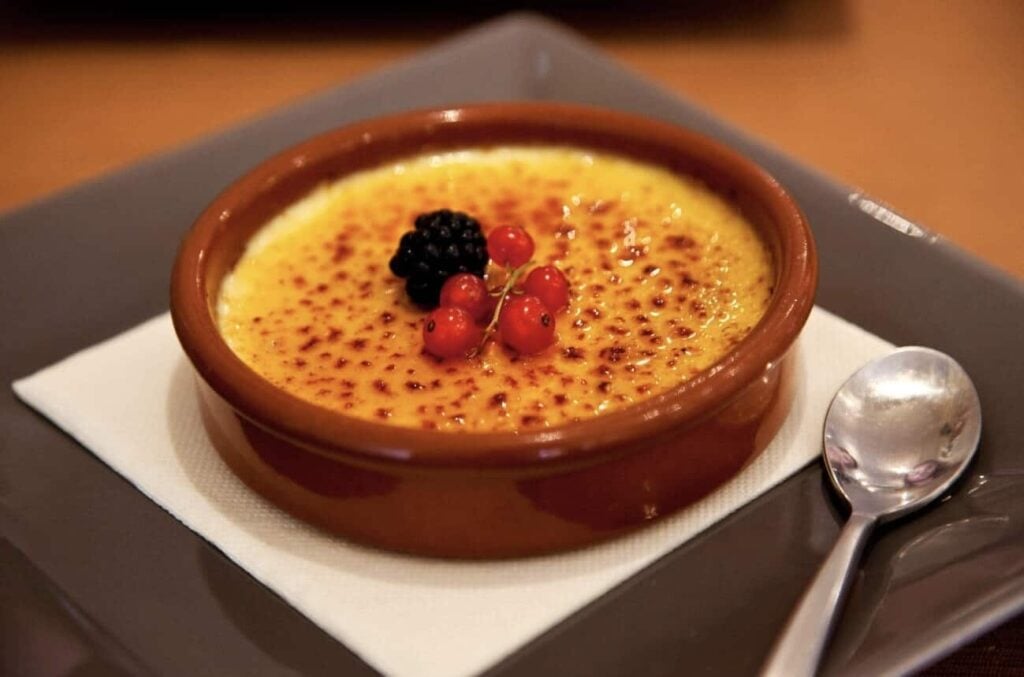
Crème brûlée is a rich custard traditionally made with cream, egg yolks, sugar, and vanilla. Just before serving, sugar is caramelized on top to create a thin, crisp crust that cracks beneath your spoon. The contrast between the warm caramelized topping and cool, silky custard makes it one of France’s most satisfying desserts.
Although closely associated with French cuisine, the dessert’s exact origin is disputed. France, England, and Spain all have historical versions of baked custard with caramelized sugar. A French recipe using the name crème brûlée appeared in the 17th century.
Where to try it: Crème brûlée appears on dessert menus throughout France. For the best experience, choose a traditional bistro or brasserie that caramelizes the sugar shortly before serving so the topping remains crisp.
22. Tarte Tatin
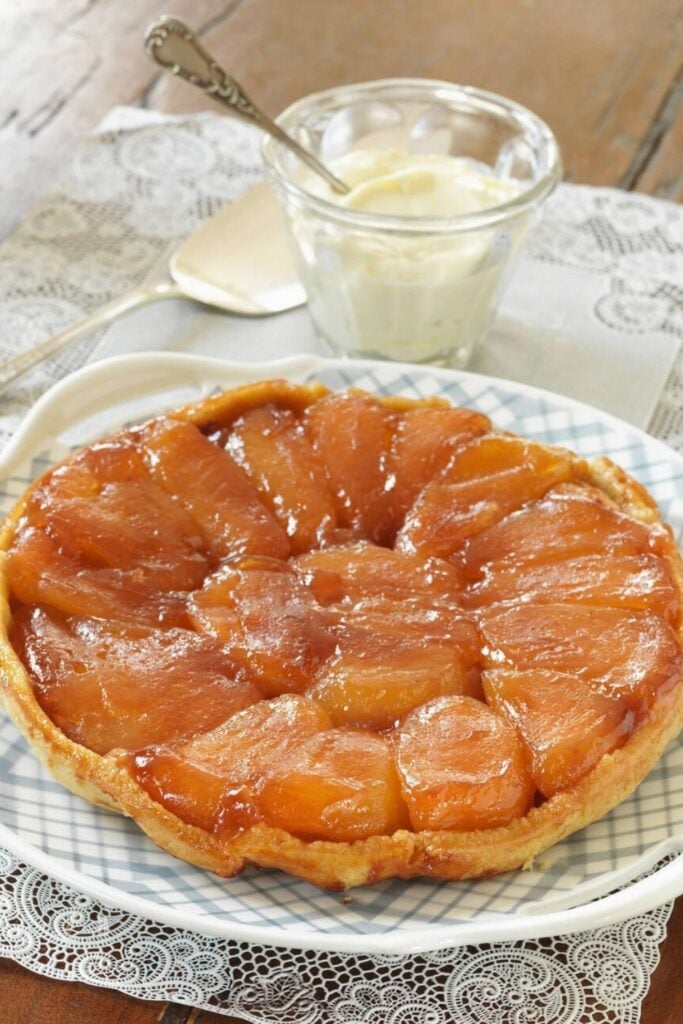
Tarte Tatin is a French upside-down tart made by cooking apples with butter and sugar beneath a layer of pastry. After baking, the tart is inverted to reveal soft, deeply caramelized apples on top. It is usually served warm, either on its own or with crème fraîche or vanilla ice cream.
The dessert is associated with sisters Stéphanie and Caroline Tatin, who operated a hotel in Lamotte-Beuvron in the Sologne region during the late 19th century. According to legend, the tart resulted from a kitchen mistake, but the precise circumstances of its creation remain uncertain.
Where to try it: Visit La Maison Tatin in Lamotte-Beuvron. Its restaurant and tearoom continue to serve the town’s signature dessert, and the original stove associated with the Tatin sisters remains on display. Check current opening hours before visiting.
Lesser-Known Regional French Foods
Beyond France’s internationally famous dishes, each region has specialties shaped by its local ingredients and traditions. These six dishes are less familiar to many visitors but are worth trying when traveling through their regions of origin.
23. Aligot
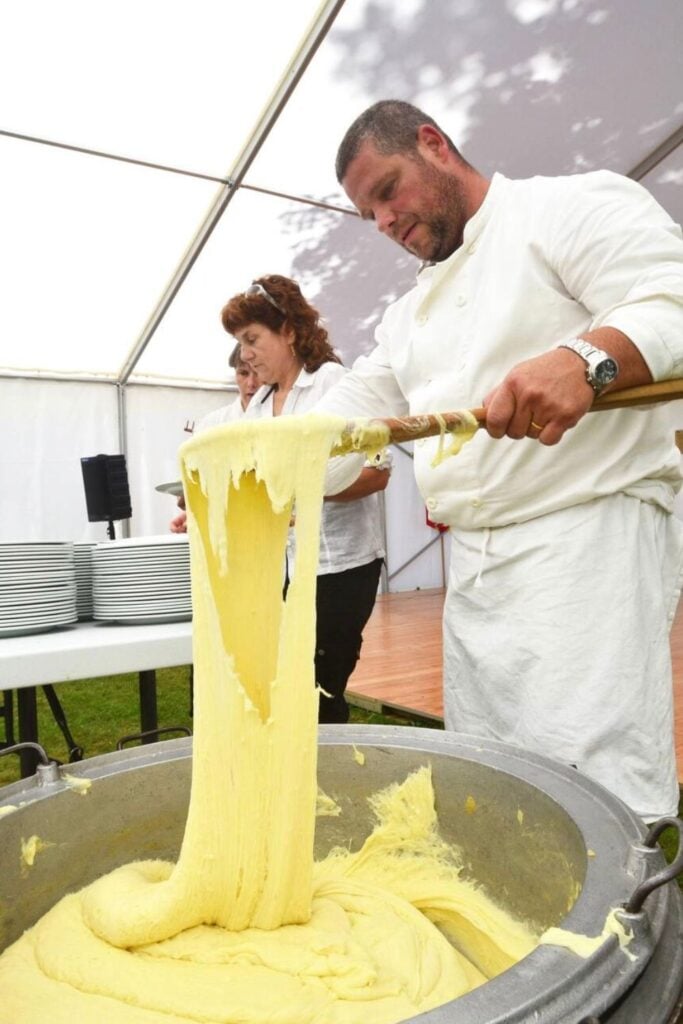
Aligot is a rich, stretchy mixture of mashed potatoes, cream, butter, garlic, and fresh Tomme cheese. It comes from the Aubrac plateau, which extends across parts of Aveyron, Cantal, and Lozère. The cheese is vigorously worked into the potatoes until the mixture becomes smooth and elastic. It is commonly served with sausage or roasted meat.
An earlier version was reportedly made with bread, broth, and fresh cheese and served by Aubrac monks to pilgrims traveling toward Santiago de Compostela. Potatoes later replaced the bread, producing the dish enjoyed today.
Where to try it: Look for aligot in Laguiole or elsewhere on the Aubrac plateau. Traditional burons, former stone shelters used by shepherds and cheesemakers, are especially atmospheric places to enjoy it.
24. Tarte Flambée
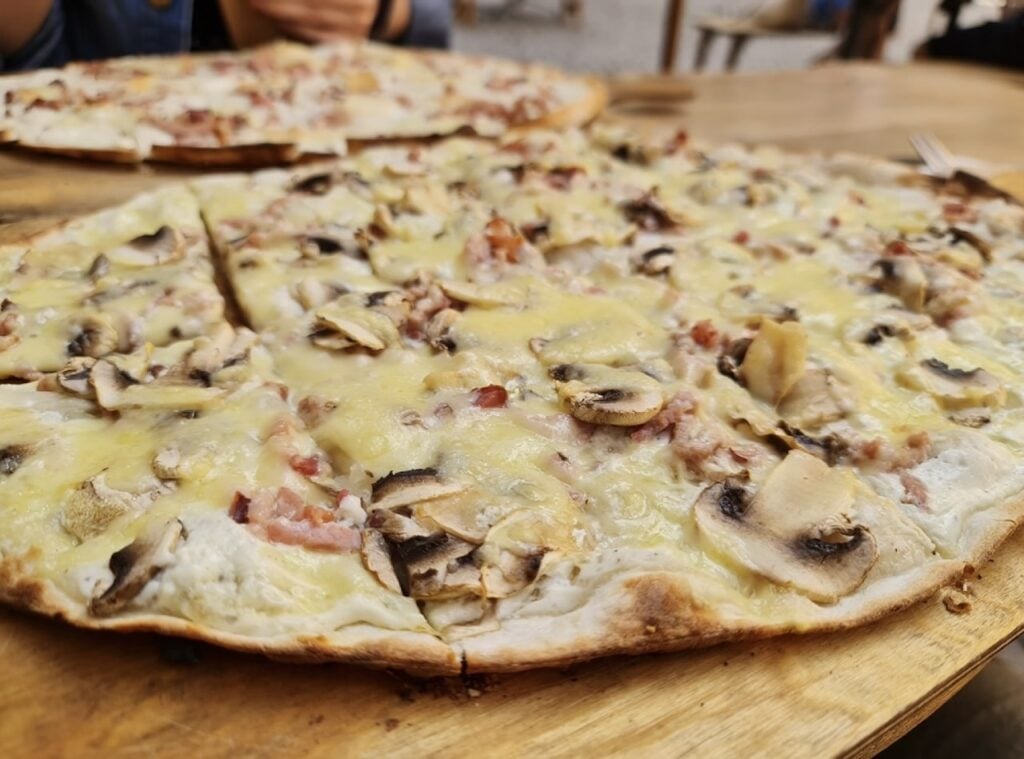
Tarte flambée, also called flammekueche, is an Alsatian specialty made with very thin bread dough topped with fromage blanc, crème fraîche, onions, and bacon lardons. It is baked quickly in a very hot wood-fired oven, producing a crisp base with lightly charred edges. Despite its name, the tart is not flambéed with alcohol.
The dish originated on farms in the Kochersberg area northwest of Strasbourg. Farmers traditionally baked it before their bread to test whether the wood-fired oven had reached the correct temperature. It remains a social dish that is commonly sliced, shared, and eaten by hand.
Where to try it: Look for a traditional winstub, or Alsatian tavern, in Strasbourg or Colmar. Order the classic version first, although variations with mushrooms, Gruyère, or Munster cheese are also widely available.
25. Pounti
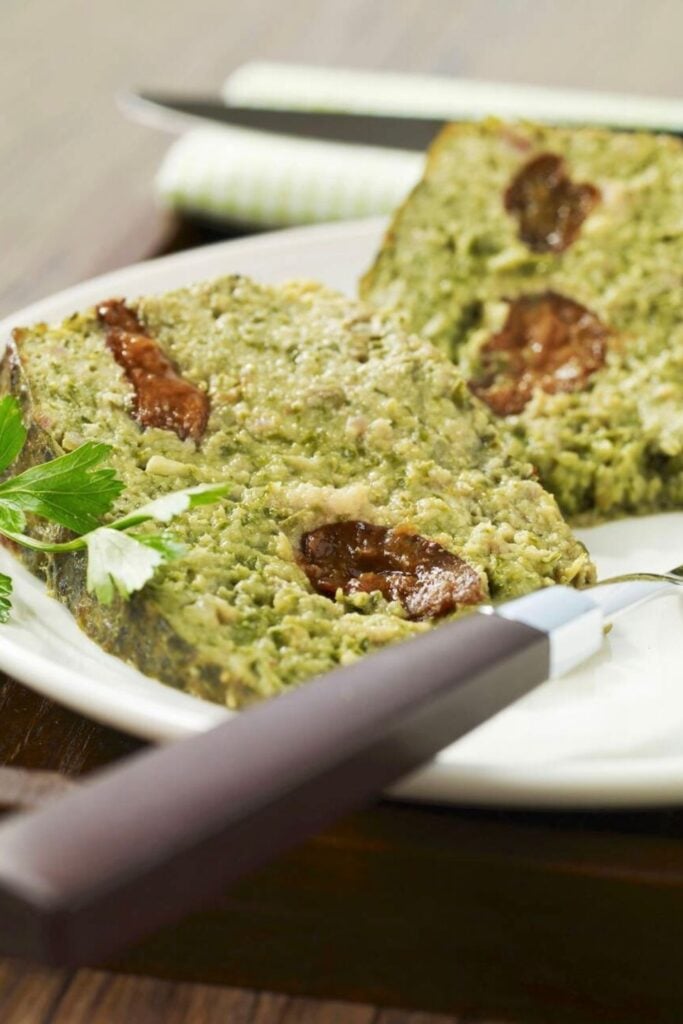
Pounti is a rustic sweet-and-savory loaf from Cantal and the surrounding Auvergne area. Traditional recipes combine pork or bacon, Swiss chard, onions, parsley, eggs, flour, milk, and prunes. The mixture is baked in a loaf or terrine dish and then cut into thick slices.
Originally associated with rural cooking, pounti made practical use of leftover meat, leafy vegetables, and other available ingredients. It may be served warm or cold, and leftover slices are often reheated in a pan.
Where to try it: Look for pounti in traditional restaurants, markets, and specialty-food shops around Aurillac and elsewhere in Cantal.
26. Pieds-Paquets
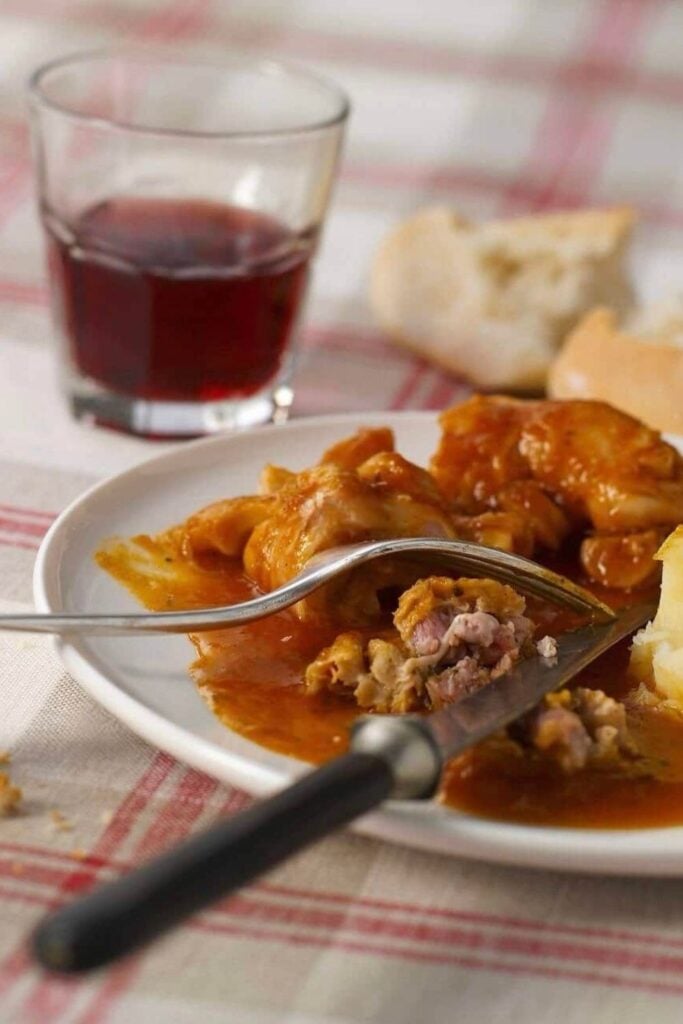
Pieds-paquets is a traditional Marseille dish made with lamb’s feet and small parcels of lamb tripe. The tripe is typically filled with pork, garlic, and parsley, then slowly simmered with the feet in a sauce containing tomatoes, white wine, and Provençal herbs. It is a rich, hearty dish most often served during autumn and winter.
The recipe is generally traced to Marseille’s La Pomme neighborhood in the 1880s and is associated with local cook Louis Ginouvès. It later became popular throughout Provence and was traditionally eaten by workers as a filling meal.
Where to try it: Marseille is the best place to look for traditional pieds-paquets. Because it is more common during the colder months and does not appear on every menu, check with traditional Provençal restaurants before visiting.
27. Tarte aux Myrtilles
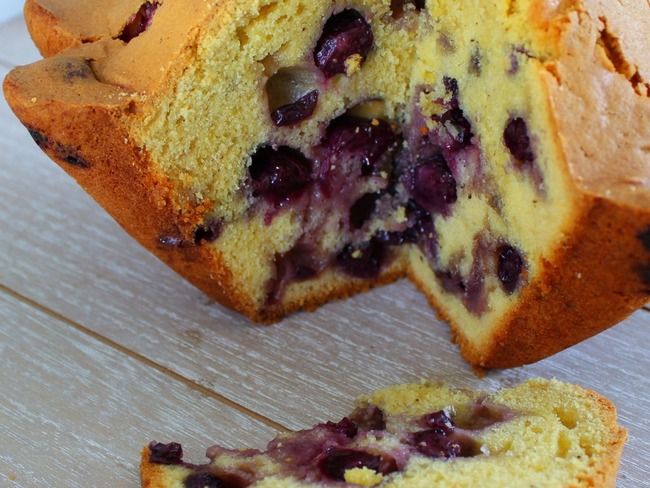
Tarte aux myrtilles is an open-faced blueberry tart commonly found in the French Alps. It usually consists of a crisp pastry shell filled with myrtilles, the small, flavorful berries that grow in mountainous areas. Depending on the recipe, the berries may be baked directly in the crust or arranged over a layer of almond cream or custard.
Where to try it: Look for tarte aux myrtilles in Chamonix and elsewhere in Haute-Savoie. The Chamonix Valley tourism office currently highlights blueberry tarts among the treats served at local Alpine establishments.
28. Tripes à la Mode de Caen
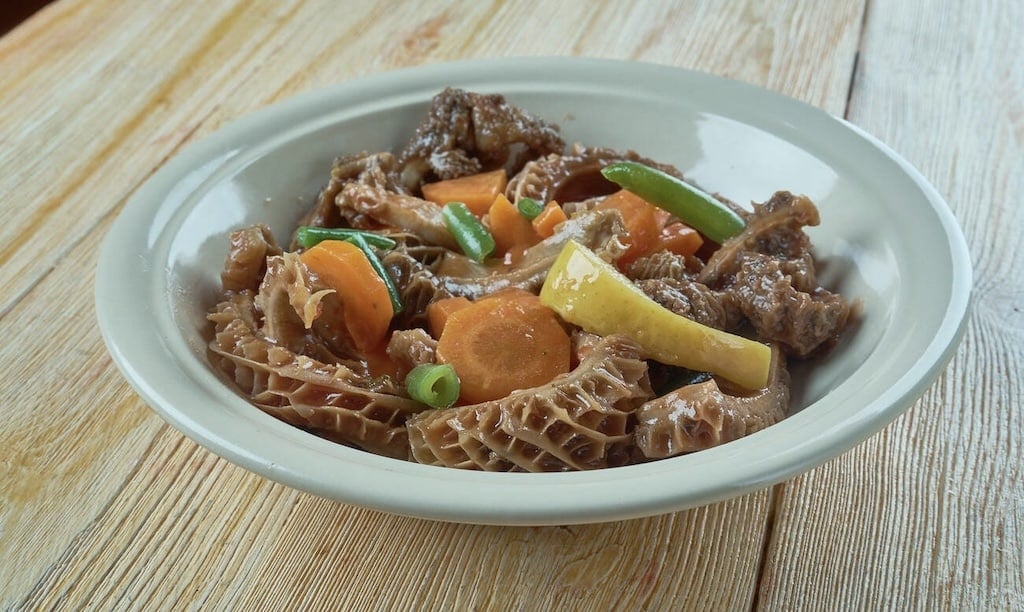
Tripes à la mode de Caen is a traditional Norman dish made with beef tripe and beef foot, slowly cooked with vegetables and aromatic herbs. Depending on the recipe, Norman cider or Calvados may also be added. The long cooking time produces tender meat and a rich broth, and the dish is commonly served with boiled potatoes or mashed potatoes.
Local tradition attributes the recipe to a medieval monk named Sidoine Benoît, but this origin story cannot be confirmed historically. Even Normandy Tourism describes the connection to William the Conqueror’s cook as a persistent legend rather than a proven fact.
Where to try it: Look for the dish at traditional restaurants and charcuteries in Caen. L’Embroche is listed by Normandy Tourism and serves an artisanal version that previously received recognition from La Tripière d’Or, the organization dedicated to preserving the dish.
Traditional French Foods FAQs
traditional french food
Final Thoughts on Traditional French Foods
French cuisine is best experienced one region at a time. You might enjoy a warm baguette in Paris, cassoulet in southwestern France, bouillabaisse in Marseille, or tarte aux myrtilles in the Alps. Trying these dishes where they originated can help you understand the ingredients, traditions, and regional identities behind them.
If this is your first trip to France, begin with approachable classics such as a croissant, baguette tradition, French onion soup, boeuf bourguignon, and crème brûlée. Then try at least one regional specialty you have never encountered before.
Which traditional French foods have you tried, and which one would you order first? Share your favorites in the comments.