

Dangerous Neighborhoods in Paris? 6 Areas To Be Cautious
Last Updated on September 25, 2026 by April Nicole
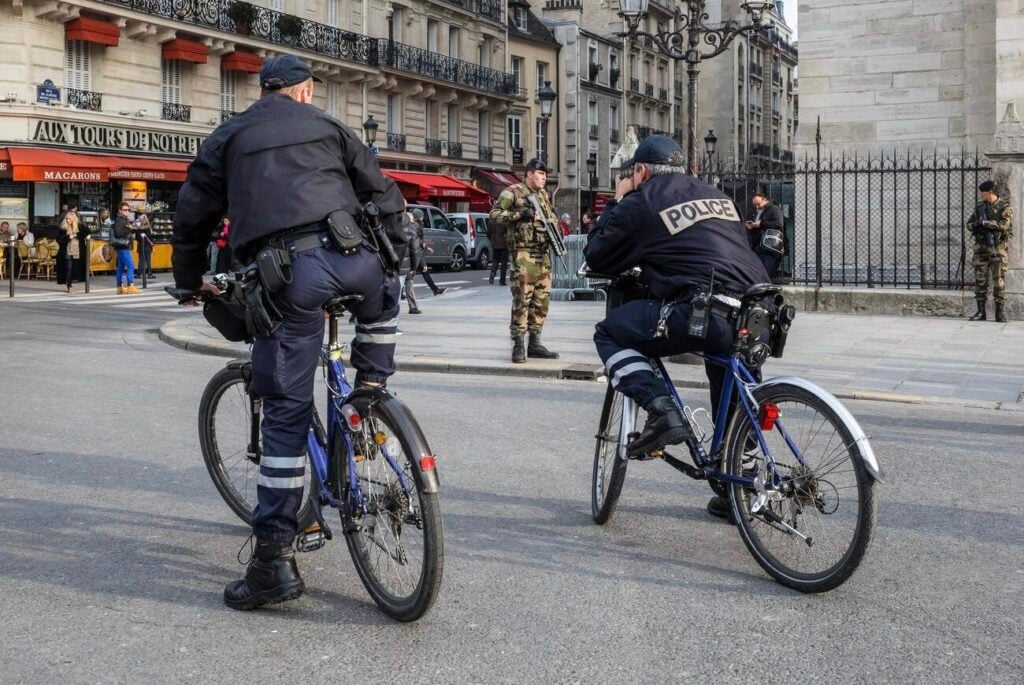
Searching for information about dangerous neighborhoods in Paris can make the city sound scarier than it really is. Paris is generally a safe and welcoming destination, but travelers should still watch for pickpocketing, phone theft, and distraction scams—especially around crowded attractions and major train stations.
I learned this during my first week in Paris. Shortly after arriving at Gare du Nord with my suitcase, I noticed someone following me too closely. I stepped inside a boulangerie until the person moved on. Nothing happened, but the experience reminded me that situational awareness matters, even in Paris.
Paris does not have an official list of dangerous neighborhoods, and the areas in this guide are not automatically unsafe. Instead, I’ll highlight places where tourists may want to take extra precautions and share practical ways to explore Paris confidently.
📌 Psst! This blog post contains affiliate links, which means I may earn a small commission if you book through them—at no extra cost to you! Merci! For full details, check out my Disclosure Policy.
If you are in a hurry, here’s a summary of dangerous neighborhoods in Paris:
Quick Summary: Dangerous Neighborhoods in Paris
Paris does not have official “no-go zones” for tourists. However, crowded transportation hubs and certain streets may require additional awareness.
Saint-Denis
A large suburb outside Paris. Plan your route carefully, particularly when attending an event at Stade de France.
Gare du Nord and Gare de l’Est
Busy transportation hubs where crowds and luggage can create opportunities for pickpocketing and distraction theft.
La Chapelle, Stalingrad and Porte de la Chapelle
Certain pockets have experienced visible drug use and other public-order concerns, although conditions vary considerably by street.
Les Halles and Châtelet–Les Halles
A busy central shopping and transportation district. Keep your phone, wallet, and bag secure while navigating crowded corridors.
Château Rouge and La Goutte d’Or
Lively market districts where crowded sidewalks and shops make standard anti-pickpocket precautions sensible.
Porte de la Villette
A less tourist-oriented area with major roads, transportation infrastructure, and ongoing redevelopment. Plan unfamiliar routes in advance, particularly at night.
These areas are not automatically unsafe, and many contain popular attractions, businesses, and residential communities. Consider the specific street, surroundings, and time of day instead of avoiding an entire neighborhood.
Helpful Paris Safety Essentials
You don’t need special equipment to explore Paris safely, but a few practical items can make it easier to protect your belongings and stay connected.
- Travel insurance: Depending on the policy, travel insurance may provide coverage for medical emergencies, trip disruptions, or certain stolen belongings. Always review the coverage limits and exclusions before purchasing.
- Local SIM card or eSIM: Reliable mobile data makes it easier to check directions, transportation updates, and emergency information while exploring Paris.
- Secure crossbody bag or anti-theft backpack: Choose a bag that closes completely and can be worn in front of your body on crowded trains and near tourist attractions.
- Prebooked airport transfer: If you’re arriving late, traveling with several bags, or prefer door-to-door transportation, consider arranging a transfer or licensed taxi in advance.
What the Crime Data Say About Safety in Paris
For most visitors, the primary safety concern in Paris is opportunistic theft rather than avoiding entire neighborhoods. Pickpocketing and phone theft are most likely to occur in crowded places such as train stations, Metro and RER cars, tourist attractions, and busy shopping areas.
According to France’s Ministry of the Interior, police and gendarmerie recorded 104,880 victims of theft, violence, or certain fraud offenses across French public transportation in 2025. That represented a 2% decrease from 2024. These are nationwide transportation statistics—not neighborhood-level Paris crime figures—but they show why travelers should remain aware of their belongings while using public transit.
Official Paris tourism guidance also warns visitors to secure their bags, keep luggage close, and watch for distraction scams such as fake petitions and street gambling games. These precautions are particularly important in crowded areas, regardless of the arrondissement.
The bottom line is that Paris remains a destination where millions of people travel safely. Rather than treating certain neighborhoods as automatic no-go zones, pay attention to your immediate surroundings, secure your belongings, and check current transportation or demonstration alerts before heading out.
(This map highlights the dangerous neighborhoods in Paris, with color-coded icons marking areas where tourists should stay alert)
Areas Where Tourists Should Be Extra Cautious
The following places are not official no-go zones. They are included because travelers may encounter crowded transportation hubs, unfamiliar routes, or streets that feel considerably different after dark.
1. Saint-Denis
Saint-Denis is a suburb immediately north of Paris, not a Paris neighborhood or arrondissement. It is home to the Basilica Cathedral of Saint-Denis and Stade de France, along with busy residential and commercial districts.
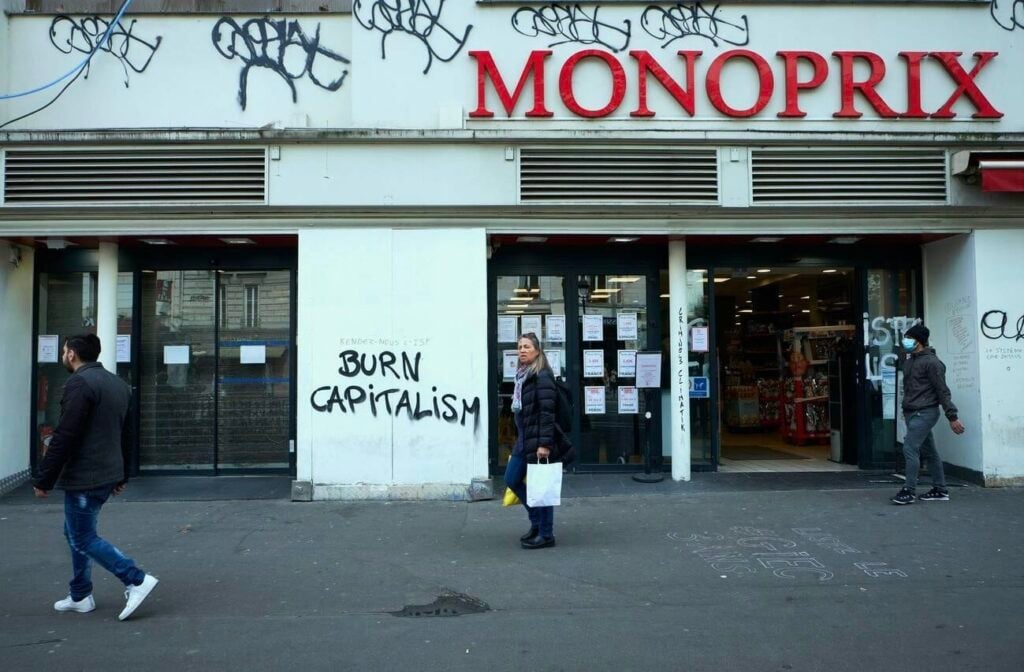
Visitors regularly travel here without problems, but the experience can vary depending on the exact area. If you are attending an event at Stade de France, plan your route in advance, follow the venue’s transportation directions, and expect large crowds around nearby stations.
Safety tips:
- Keep your phone, wallet, and bag secure near station entrances and after events.
- Check for Metro and RER closures before leaving Stade de France.
- Stay on populated, well-lit routes at night.
- Consider the exact street and nearest station before booking accommodations in Saint-Denis.
2. Gare du Nord and Gare de l’Est
Gare du Nord and Gare de l’Est are two major train stations in the 10th arrondissement. Thousands of travelers pass through them each day while carrying luggage, checking directions, or purchasing tickets, which can create opportunities for pickpocketing and distraction theft.
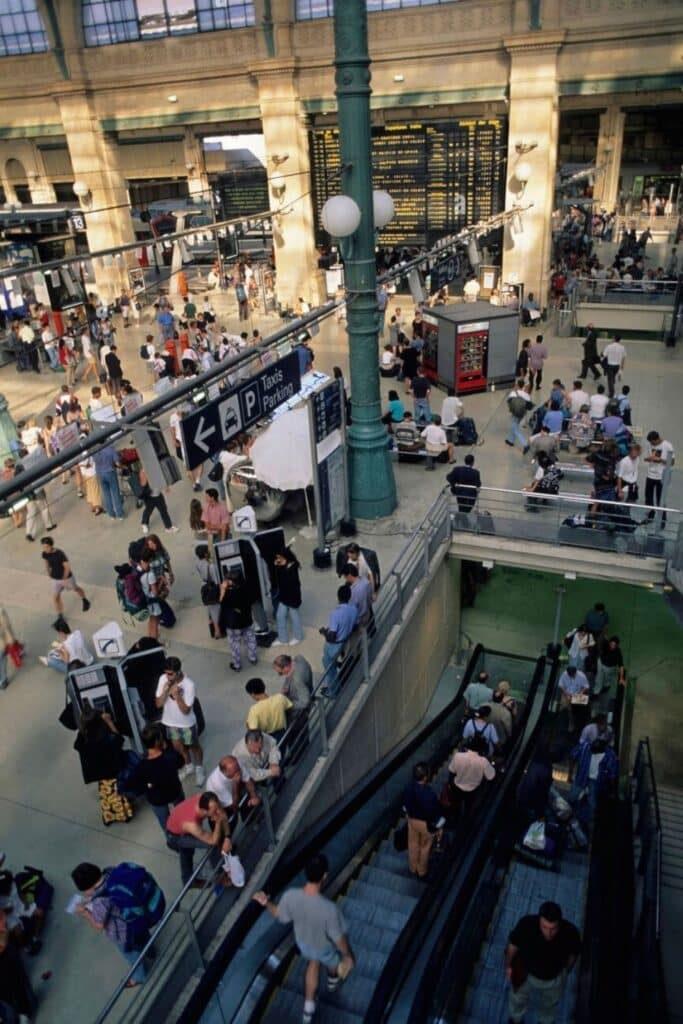
The stations are not places tourists need to avoid, but you should stay alert in crowded corridors, around ticket machines, and while boarding trains. Be cautious if a stranger offers unsolicited help, asks you to sign a petition, or tries to sell you a ticket.
Safety tips:
- Keep your bag closed and positioned in front of you.
- Purchase tickets only from official machines, ticket counters, or transportation apps.
- Put your phone away before entering or exiting a crowded train.
- Do not leave luggage unattended, even briefly.
- Use the official taxi line rather than accepting a ride from someone approaching you inside the station.
3. La Chapelle, Stalingrad and Porte de la Chapelle
Certain pockets around La Chapelle, Stalingrad, Éole, and Porte de la Chapelle have experienced visible drug use and other public-order concerns. Conditions can vary considerably from one street to another, so these areas should not be treated as one uniformly dangerous neighborhood.
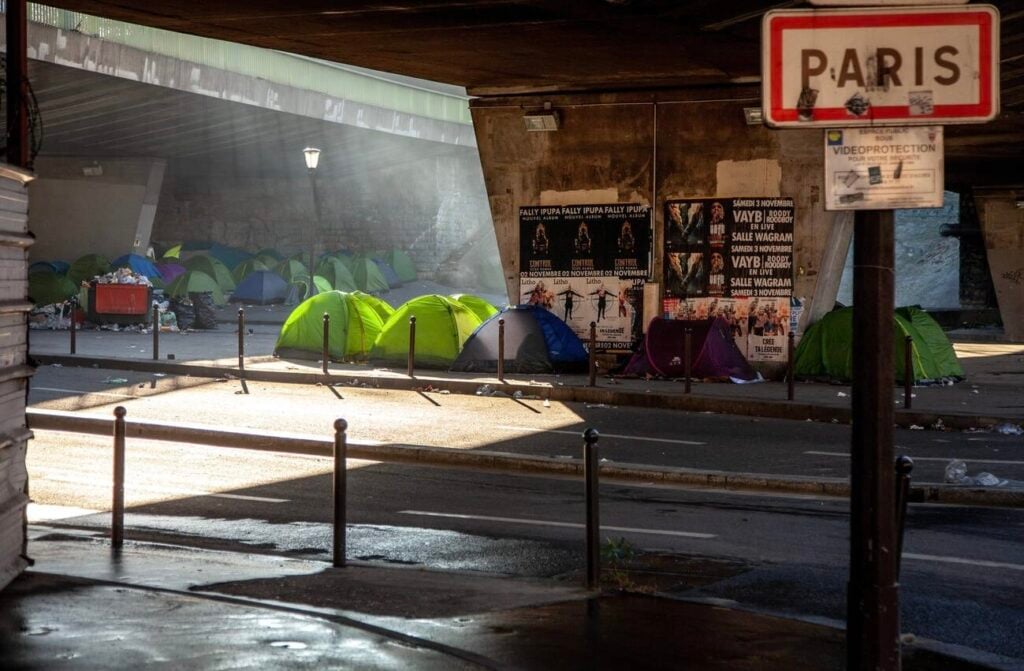
Porte de la Chapelle has also undergone major redevelopment, including improved lighting, pedestrian spaces, bicycle infrastructure, and the opening of Adidas Arena. Visitors do not need to avoid the entire area, but unfamiliar side streets and underpasses may feel uncomfortable after dark.
Safety tips:
- Plan your walking route before leaving the Metro.
- Stay on populated, well-lit streets at night.
- Avoid entering isolated underpasses or active police and emergency scenes.
- If a situation feels uncomfortable, move toward an open business, busy station entrance, or another public place.
4. Les Halles and Châtelet–Les Halles
Les Halles is a popular central district in the 1st arrondissement, filled with shops, restaurants, and public spaces. Beneath it is Châtelet–Les Halles, one of the world’s largest underground transportation hubs.
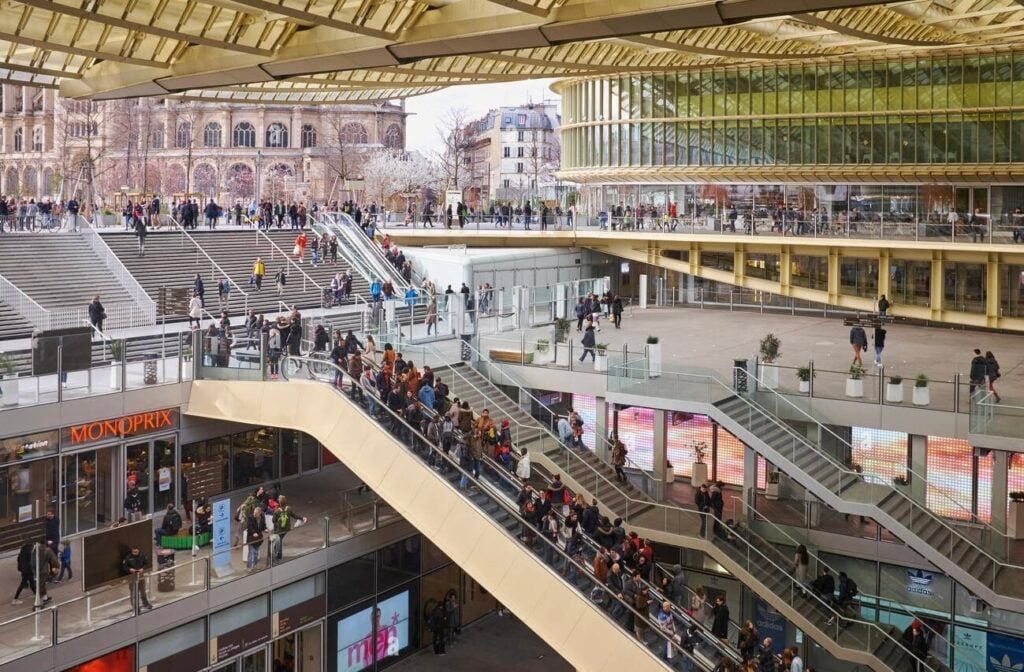
This is not a neighborhood tourists need to avoid. However, the station’s crowded platforms, escalators, and connecting corridors can create opportunities for pickpocketing and phone theft. Its size can also feel overwhelming if you are unfamiliar with the layout.
Safety tips:
- Keep your phone and wallet secure while navigating crowded corridors.
- Move away from the flow of passengers before stopping to check directions.
- Carry your bag closed and in front of you rather than behind your body.
- Follow the signs for your specific Metro or RER line to avoid unnecessary wandering.
5. Château Rouge and La Goutte d’Or
Château Rouge and neighboring La Goutte d’Or are lively, multicultural districts in the 18th arrondissement. The area is especially known for its African food markets, international shops, and busy commercial streets such as Rue Dejean.
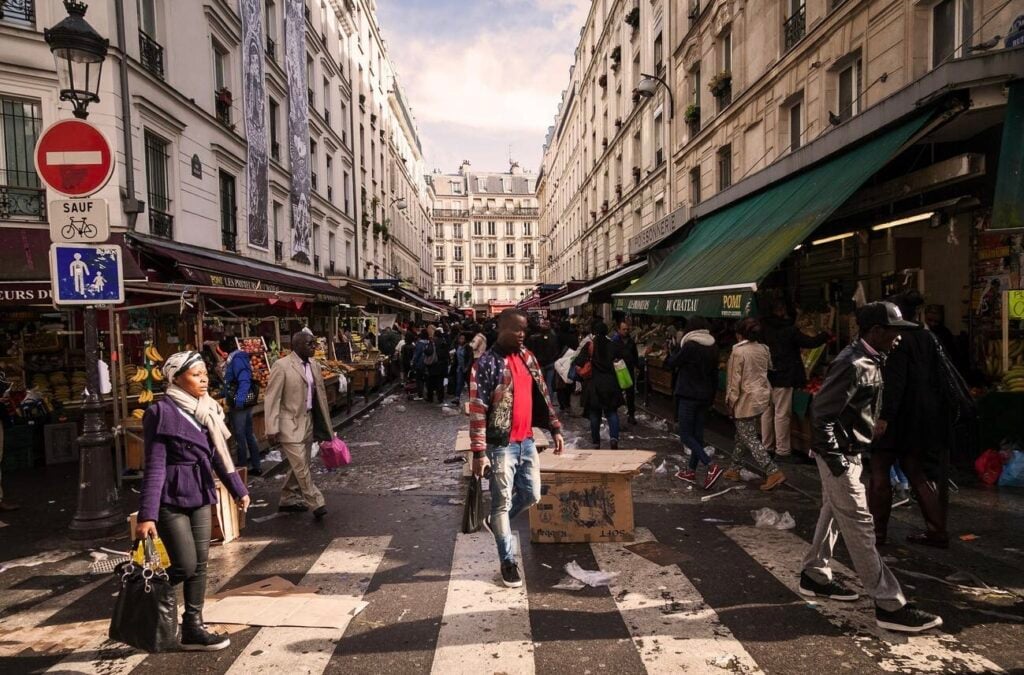
These neighborhoods are not automatically unsafe, but the sidewalks, shops, and Château Rouge Metro station can become crowded. Visitors should use the same precautions they would in any busy market district and remain aware of their belongings.
Safety tips:
- Keep your bag closed and positioned where you can see it.
- Step away from crowded sidewalks before checking your phone or directions.
- Visit markets during regular business hours when shops and streets are active.
- Respond to unwanted sales approaches with a firm “non, merci” and continue walking.
6. Porte de la Villette
Porte de la Villette is located in the 19th arrondissement near the borders of Aubervilliers and Pantin. It is a less tourist-oriented area shaped by major roads, railway infrastructure, and ongoing redevelopment.
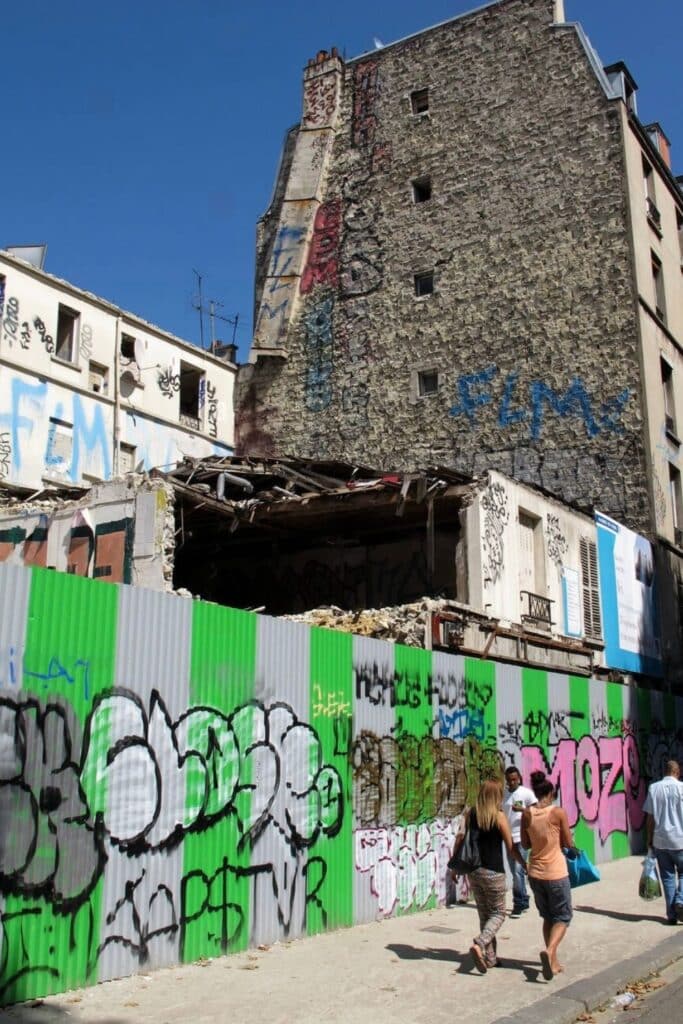
Visitors may pass through the area when traveling to nearby event venues, parks, or the Cité des Sciences et de l’Industrie. The neighborhood is not automatically dangerous, but unfamiliar streets near the périphérique and industrial sections may feel isolated after businesses close.
Safety tips:
- Plan your route before leaving the Metro or an event venue.
- Stay on well-lit main streets rather than taking unfamiliar shortcuts.
- Check nighttime transportation options before attending a late event.
- If your accommodation is nearby, research the exact street and walking route from the station.
Paris Safety Tips for Tourists
Most travelers visit Paris without serious problems, but a few simple habits can reduce the risk of theft and help you feel more confident.
- Keep your bag in front of you. Use a bag that closes completely, particularly on crowded Metro and RER trains.
- Secure your phone. Avoid holding it loosely near train doors or while standing at the edge of a busy sidewalk.
- Watch for distraction scams. Be cautious of fake petitions, friendship-bracelet offers, street gambling games, and strangers offering unsolicited help at ticket machines.
- Buy tickets through official channels. Use station machines, staffed ticket counters, or official transportation apps.
- Plan nighttime routes in advance. Check the last train time, service interruptions, and the walk between the station and your destination.
- Know the emergency numbers. Call 17 for the police or 112 for the European emergency service. Report stolen passports, phones, or wallets promptly, especially if you need documentation for an insurance claim.
Popular, Convenient Areas for First-Time Visitors
If you prefer to stay near major attractions, restaurants, and convenient transportation, consider one of these central Paris neighborhoods:
- Le Marais (3rd and 4th arrondissements): A lively area with historic streets, boutiques, restaurants, and nightlife.
- Latin Quarter (5th arrondissement): A walkable district known for cafés, bookshops, universities, and easy access to the Seine.
- Saint-Germain-des-Prés (6th arrondissement): A central neighborhood with classic cafés, galleries, shops, and convenient Metro connections.
- 7th arrondissement: A quieter, more residential area near the Eiffel Tower, Musée d’Orsay, and the Seine.
These areas are popular and convenient, but no Paris neighborhood is completely free from theft. Continue protecting your phone, wallet, and bag around attractions and on public transportation.
Planning Your Route
Metro and RER service can change because of maintenance, demonstrations, and special events. Check the official RATP or Île-de-France Mobilités app before traveling, especially at night or when attending an event at Stade de France.
What to Do If Something Is Stolen in Paris
If your phone, wallet, passport, or other valuables are stolen, move to a safe public place before taking action.
- Cancel your bank cards immediately using your banking app or emergency customer-service number.
- Lock or track your phone through Apple’s Find My or Google’s Find My Device. Do not confront anyone or attempt to recover it yourself.
- Report the theft to the police. Visit the nearest police station to request a report, especially if you need documentation for a travel-insurance claim.
- Contact your embassy or consulate if your passport was stolen.
- Call 17 or 112 only for an emergency or when you need immediate police assistance.
Keep digital copies of your passport, insurance policy, and important contact numbers somewhere you can access without your phone.
Dangerous Neighborhoods in Paris FAQs
🏙️ For general city safety notices and community updates, the Ville de Paris official website is a helpful resource for both residents and travelers.
Final Thoughts on Dangerous Neighborhoods in Paris
Paris is generally a safe and rewarding city to explore. Although certain areas and crowded transportation hubs require extra awareness, most visitors will not need to avoid entire neighborhoods.
The best approach is to research your exact destination, plan unfamiliar routes in advance, and protect your phone, wallet, and bag in busy places. Conditions can change from one street to the next, so practical awareness is more useful than relying on a list of supposed no-go zones.
Stay alert without letting fear take over your trip. With a little preparation and common sense, you can explore Paris confidently and focus on everything that makes the city worth visiting.